
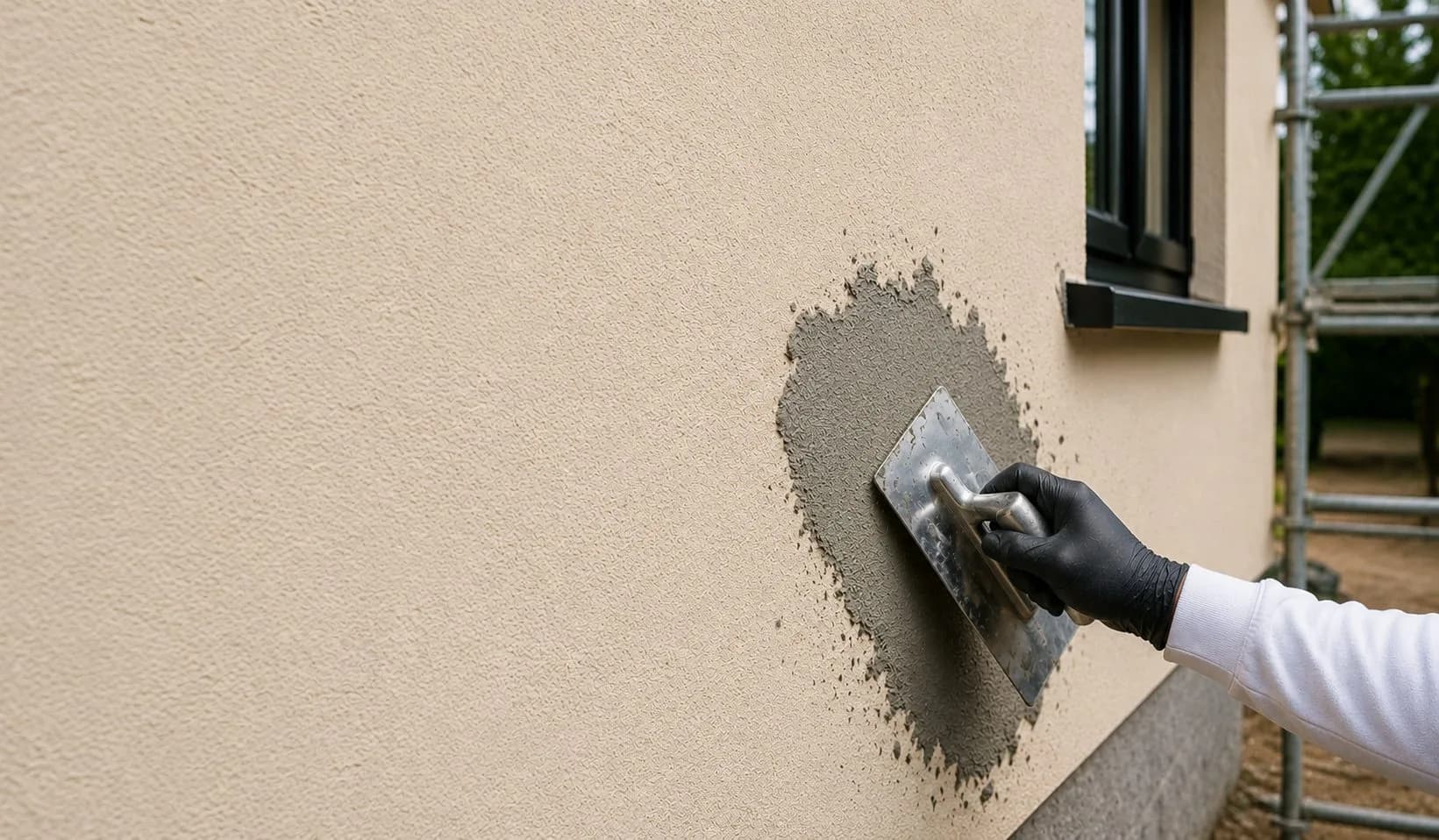
Old Ceiling Plastering in Conisbrough
Old ceilings are one of the most common domestic plastering jobs — and the decision about what to do with them has a big impact on cost, disruption and the quality of the finished result.
- Free Survey & QuoteNo obligation — confirmed within one working day
- 17+ Years ExperienceTrusted across Yorkshire since 2009
- Fully InsuredPublic liability & workmanship cover on every job
- Manufacturer AccreditedApproved installer — warranty-valid on every system
Old Ceiling Plastering — what you need to know
Old ceilings are one of the most common domestic plastering jobs — and the decision about what to do with them has a big impact on cost, disruption and the quality of the finished result. The right approach depends on the ceiling's actual condition: a ceiling that is structurally sound but rough or lightly textured can be skimmed; one that is sound but significantly uneven or damaged can be overboarded; one with failed laths, widespread blown plaster or structural damage needs full reboard and replaster. We assess each ceiling honestly and advise on the approach that suits the specific condition — not every old ceiling needs full replacement.
Victorian brick properties in Conisbrough have demand for plastering — renovation of the older terrace stock requires replasters and ceiling repairs as original plaster deteriorates.
Free · No Obligation
Get a quote for Old Ceiling Plastering in Conisbrough
We visit your property, assess the work and give you a fixed written quote. No call centres, no pressure, no hidden charges.
Request Free SurveyOr call +447774708801Common situations we resolve
Conservation area period properties where ceiling plastering must use lime-compatible materials and methods
Old ceilings cracked, uneven or with areas of blown plaster that cannot be decorated over
Sagging ceiling sections where the plaster has partially lost adhesion to the lath or substrate above
Lath-and-plaster ceilings in older properties where laths have broken or plaster keys have given way
Ceilings in poor condition after a property purchase where previous DIY repairs have left an uneven, patchy finish
Property considerations in Conisbrough
Conisbrough is a town south of Doncaster known for Conisbrough Castle, a well-preserved Norman keep. The housing stock includes Victorian brick terraces and semi-detached properties in the older parts of the town, interwar development, and post-war estates. The town sits in the Don valley below Conisbrough Cliffs. Many older properties have solid masonry walls. The castle and surrounding area are popular visitor destinations.
Conisbrough's Don valley position south of Doncaster means standard South Yorkshire rainfall — the valley floor is relatively sheltered from westerly weather, though exposed hillside properties face more demanding conditions.
Properties near Conisbrough Castle and within the historic town area may be subject to conservation area planning conditions on external appearance.
Conisbrough & surrounding areas
Our approach
Ceiling assessment
We tap-test the ceiling across its full area to identify blown or detached sections, inspect the lath condition where visible, assess the extent of cracking and any water damage, and establish the substrate type. This gives us the information to recommend the right approach — repair in place, skim coat, overboarding or full reboard and replaster.
Approach agreement
We explain what we found and why we are recommending a particular approach. If a cheaper option is genuinely suitable, we say so — we do not default to full reboard when overboarding or skimming would do the job correctly. We confirm scope, programme and access before proceeding.
Preparation and substrate work
Depending on the agreed approach: loose or blown plaster is removed and the substrate cleaned; broken laths are repaired or removed where reboarding is proceeding; existing boards are checked for fixings and stability before overboarding. All preparation is completed before any plastering begins.
Plastering to finish
The finishing coat is applied to a flat, smooth surface — over new boards, overboards, or directly to the prepared existing plaster where repair or skim is the right approach. The finished ceiling is left clean and ready for mist coat and decoration once dry.
What determines the cost
We provide fixed written quotes — what you are quoted is what you pay. The factors below determine where your project sits within the range for this type of work.
- Period property lime plaster requirements where like-for-like materials must be used
- Ceiling area — the primary cost driver for all ceiling work
- Approach selected — repair and skim is less expensive than overboarding; overboarding is less expensive than full reboard and replaster
- Whether lath-and-plaster removal is needed — lath removal and disposal adds time and cost
- Ceiling height and access requirements — higher or stairwell ceilings need staging
The most accurate way to understand the cost for your specific property is a free on-site survey. We assess the substrate, take measurements and provide a full itemised written quote.
Why homeowners in Conisbrough choose us
- One team throughout — no subcontractingThe same experienced team that surveys your property carries out the work and completes the final inspection — clear accountability from first visit to handover.
- Free survey, no obligationWe visit your property, assess the substrate, take measurements and provide a written quote with an honest recommendation. No pressure to proceed.
- Specialists — rendering and plastering is all we doOur specialism means better system knowledge, more careful application, and finishes that perform as the manufacturer intended.
Related services in Conisbrough
Old Ceiling Plastering in nearby areas
Common questions
Are there restrictions on ceiling plastering materials in conservation areas?
For internal ceiling work, conservation area designation does not generally restrict material choice — regulations cover external appearance. For listed buildings, any work to original fabric may require consent — we advise during the survey if you are in a listed building.
How do we decide between skimming, overboarding and replacing an old ceiling?
Skimming is right where the ceiling is sound and well adhered but rough, patchy or lightly textured. Overboarding — fixing new plasterboard over the existing ceiling — is right where the ceiling is too uneven to skim but the structure above is sound. Full reboard is needed where the laths are broken, the blow is widespread, or the ceiling has structural problems. We tap-test the entire ceiling during the survey and give a clear recommendation.
Is it worth keeping the original lath-and-plaster ceiling in a period property?
Original lath-and-plaster in sound condition is worth retaining — it has better acoustic properties than plasterboard and in a period property is part of the building's character. If the blow is localised to less than 30–40% of the ceiling area and the laths are otherwise sound, repair using compatible materials is practical and worthwhile. Where laths are extensively broken or the ceiling is moving, removal and reboarding is more practical.
Can an old ceiling be overboarded rather than replaced?
Yes — overboarding fixes new plasterboard to the ceiling joists above the existing surface and avoids the disruption of removing the old plaster. The ceiling must be structurally sound above — no moving joists or broken laths that are structural. Overboarding reduces ceiling height by around 12–15mm and adds weight — we confirm the ceiling structure is adequate during the survey.
Do I need planning permission for render work in Conisbrough?
For most residential properties in Conisbrough, changing external render colour or applying a new render system does not require planning permission. However, properties within Conisbrough's conservation areas, or that are listed buildings, may need consent before any change to external appearance. We flag this risk during the survey and can advise on what is likely to be acceptable — but confirming with the local planning authority is recommended before work proceeds.
Ready to transform your property?
Get a free, no-obligation quote from Yorkshire's premium rendering and insulation specialists. We typically reply within one working day.