
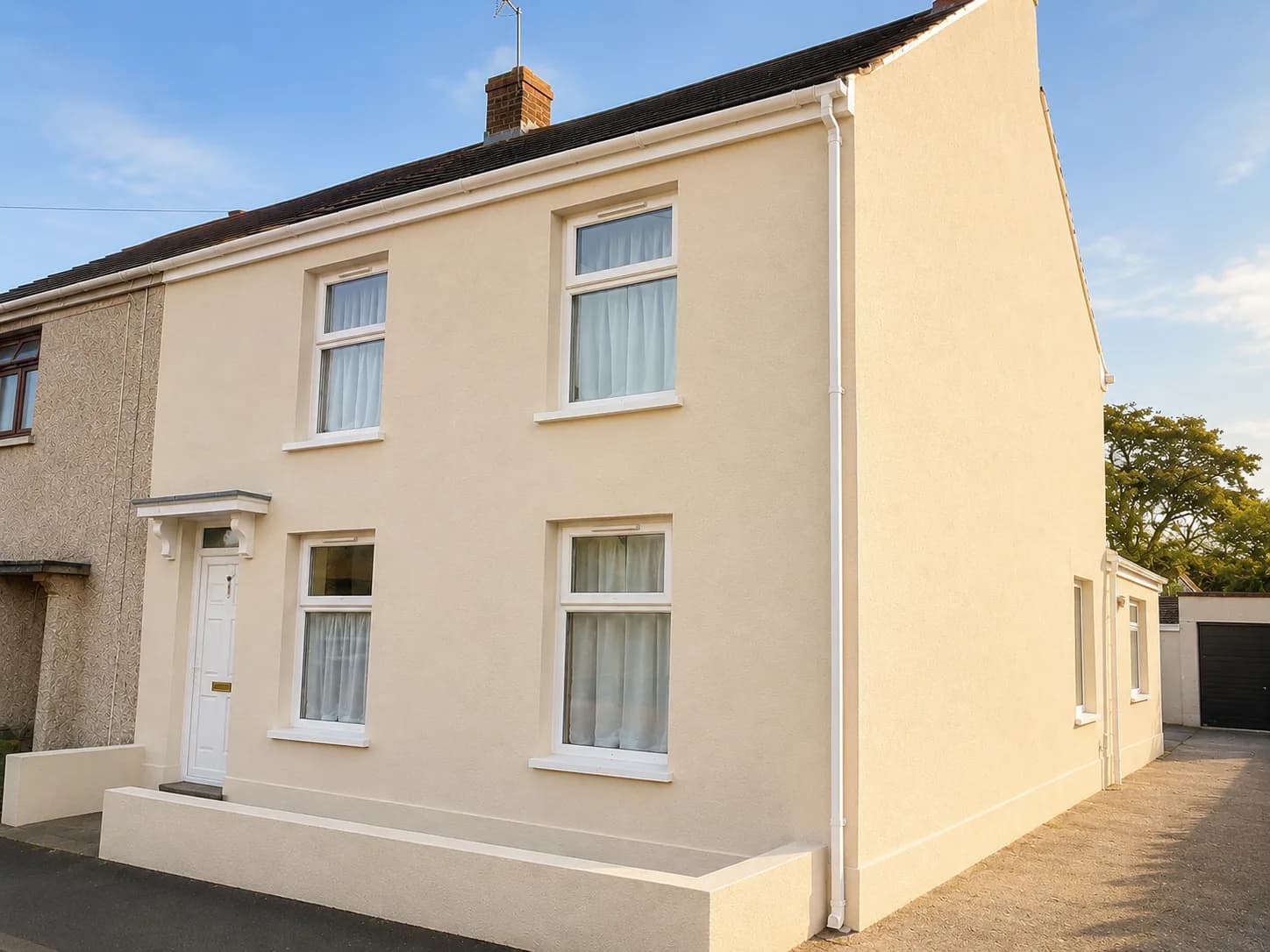
Pebbledash Removal
Strip dated, hazard-prone pebbledash back to a clean substrate and finish with a smooth, contemporary render system — from one trusted team, start to finish.
Real benefits for your home — not just features on a spec sheet
Modernises the whole facade
Replacing rough pebbledash with a smooth or lightly textured render finish instantly brings a dated property into line with a contemporary, premium look.
Removes an ongoing hazard
Ageing pebbledash can shed loose stone over time, which is both a nuisance and, in some cases, a hazard to people and surfaces below. Removal eliminates that risk for good.
A natural opportunity to insulate
With the original finish stripped back to the substrate, it’s the ideal moment to add external wall insulation before re-rendering — improving comfort and bills at the same time.
One team, start to finish
Removal, substrate repair and the new render finish are all delivered by the same Sprayplast team, avoiding the handoff issues that come with separate contractors.
Long-term, low-maintenance result
The replacement render system is chosen for durability and low maintenance, so the improvement isn't just cosmetic — it's built to last.
From pebbledash to contemporary finish — stage by stage
The full scope of a pebbledash removal project, from the first mechanical strip to the final colour-coated elevation.
- 01
Existing Pebbledash
Rough aggregate surface, often crazed or staining. Dated appearance, potential for loose stone to shed.
- 02
Mechanical Removal
Pebbledash stripped back to substrate. Debris managed on site with sheeting and skip removal.
- 03
Substrate Repair
Exposed masonry inspected, repaired and levelled. This stage is critical — pebbledash often hides an uneven surface.
- 04
Render System
Base coat with reinforcing mesh applied, then the chosen silicone render or protective coating topcoat.
- 05
Contemporary Finish
Smooth, low-maintenance elevation in your chosen colour. The property looks transformed — because it is.
How we deliver it
A clear, considered process from first survey to final sign-off — no surprises along the way.
- 01
Survey & substrate check
Before quoting, we assess what's likely to be found underneath — pebbledash conceals the substrate condition, so this stage flags any repairs the removal may reveal.
- 02
Mechanical removal
Pebbledash is mechanically stripped back to the substrate, with debris and dust managed on site throughout via sheeting and skip removal.
- 03
Substrate repair & levelling
Exposed masonry is repaired and levelled — pebbledash often hides an uneven surface, so this stage is essential for a smooth, professional final finish.
- 04
Render system application
Your chosen render system (often paired with external wall insulation at this stage) is applied over the prepared substrate.
- 05
Final finish & texture
The render is finished to your chosen colour and texture, completing the transformation from dated pebbledash to a smooth, contemporary elevation.
What's included
Every layer of the system is specified for performance, not just appearance.
Mechanical strip-back
Pebbledash is removed using mechanical methods appropriate to the substrate, minimising risk of damage to sound masonry beneath.
Renovation plaster & levelling
Uneven or damaged substrate exposed by removal is repaired and levelled with renovation-grade plaster before any render is applied.
Full render system
Silicone or protective coating render systems — see those service pages for full material specification — applied as the new finish once the substrate is ready.
Manufacturer-Backed Warranty
The guarantee follows whichever render system is applied after removal, backed by our own workmanship guarantee throughout.
Request your free quoteCommon questions
Is pebbledash removal a messy job?
It generates dust and debris, yes — we manage this with sheeting, dust control measures and skip removal, and keep the site as tidy as practically possible throughout. We'll talk you through what to expect for your specific property.
Can all pebbledash be removed?
In most cases yes, but the substrate condition underneath can vary significantly. Where removal would risk damaging sound brickwork, we may recommend overcladding (rendering directly over the existing pebbledash with appropriate preparation) instead — we'll advise honestly based on survey findings.
How long does removal and re-rendering take?
A typical semi-detached property takes around two to three weeks from start to finish, covering removal, substrate repair and the new render system, weather dependent.
Is it cheaper to overclad instead of removing?
Overcladding can be more cost-effective where the substrate allows it, since it skips the removal stage. We'll give you a clear comparison of both options and an honest recommendation during survey, rather than defaulting to the more expensive route.
Useful guides for pebbledash removal
Pebbledash Removal across Yorkshire
We cover towns and cities across Yorkshire — follow the links below for area-specific information including local housing types, planning considerations and what to expect from your survey.
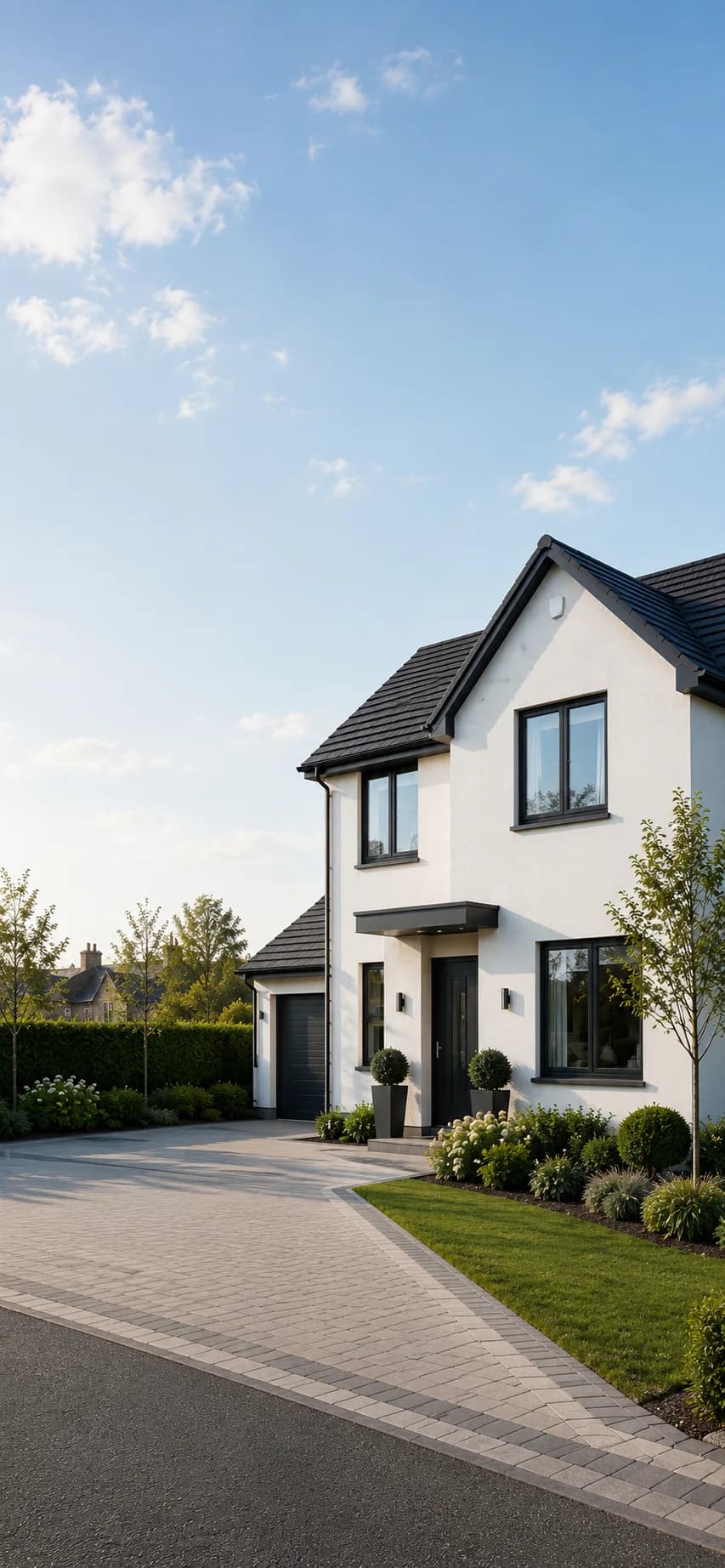
Ready to transform your property?
Get a free, no-obligation quote from Yorkshire's premium rendering and insulation specialists. We typically reply within one working day.