
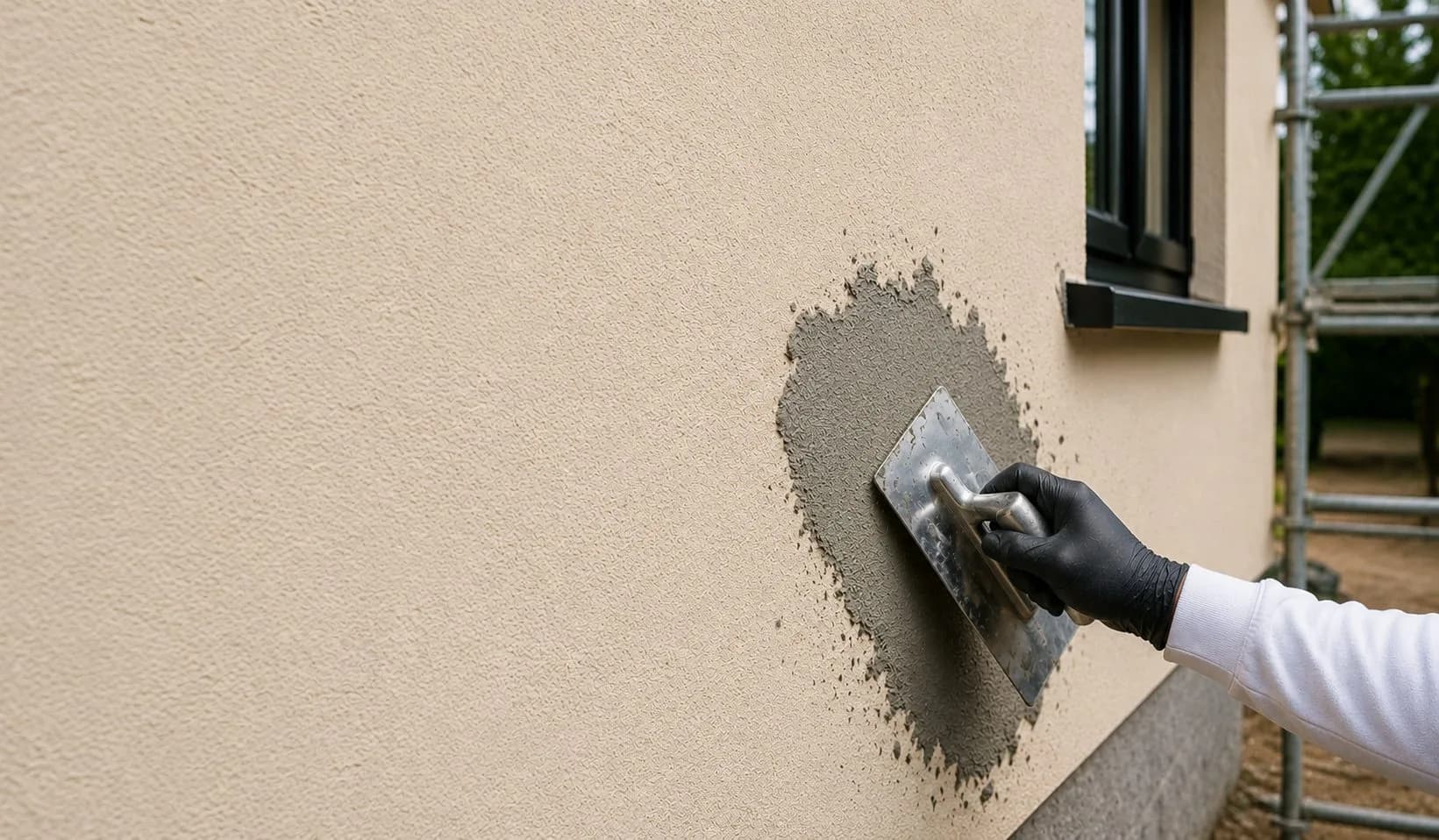
Plastering
Smooth skims, float and set, dry lining and patch repairs — precise internal and external plastering across Yorkshire, delivered by the same experienced team behind our render systems.
Real benefits for your home — not just features on a spec sheet
Perfectly flat walls and ceilings
A properly applied skim or float-and-set finish gives decorator-ready surfaces that are flat, uniform and free from the ripples, nibs and hollows that less careful work leaves behind.
One team for everything
Our plasterers work alongside our rendering team, so if a project spans internal and external work — extensions, refurbishments, new builds — the same trusted team handles both without handoffs between contractors.
No subcontracting
Every plasterer on site is part of the Sprayplast team, not a subcontractor sourced for the job. The same standard, accountability and attention to detail you expect from any of our work.
Right for domestic or commercial settings
From occupied family homes where disruption needs to be minimal, to commercial refurbishments with sequenced programme requirements — we plan the work around your situation.
A finish built to hold decoration properly
A properly cured plaster surface absorbs paint evenly and holds it without patchiness or flaking. We leave the finish in the right condition for the decorating trade that follows.
Interior and exterior — one team, full coverage
Plastering spans more than walls and ceilings. Our team covers both inside and outside the building, which matters when a project crosses both — extensions, refurbishments, conversions.
Interior
- Skim coat over existing plaster or board
- Float and set on bare masonry or blockwork
- Ceiling plastering — flat, cornice and coffered
- Patch repairs after electrics, plumbing or pipework
- Dry lining — dot-and-dab or metal frame
- Arches, alcoves and period reveals
Exterior
- External render scratch coat and base coat
- EWI base coat over insulation boards
- Extension infill panels and gable walls
- Repair patches — impact damage and spalling
- External float finish on outbuildings
- Surface preparation for coating systems
Projects that combine internal plastering with external render work — like a new extension — are handled by the same crew, with no handoffs between trades. Simpler scheduling, cleaner communication, one point of contact.
Plastering projects across Yorkshire
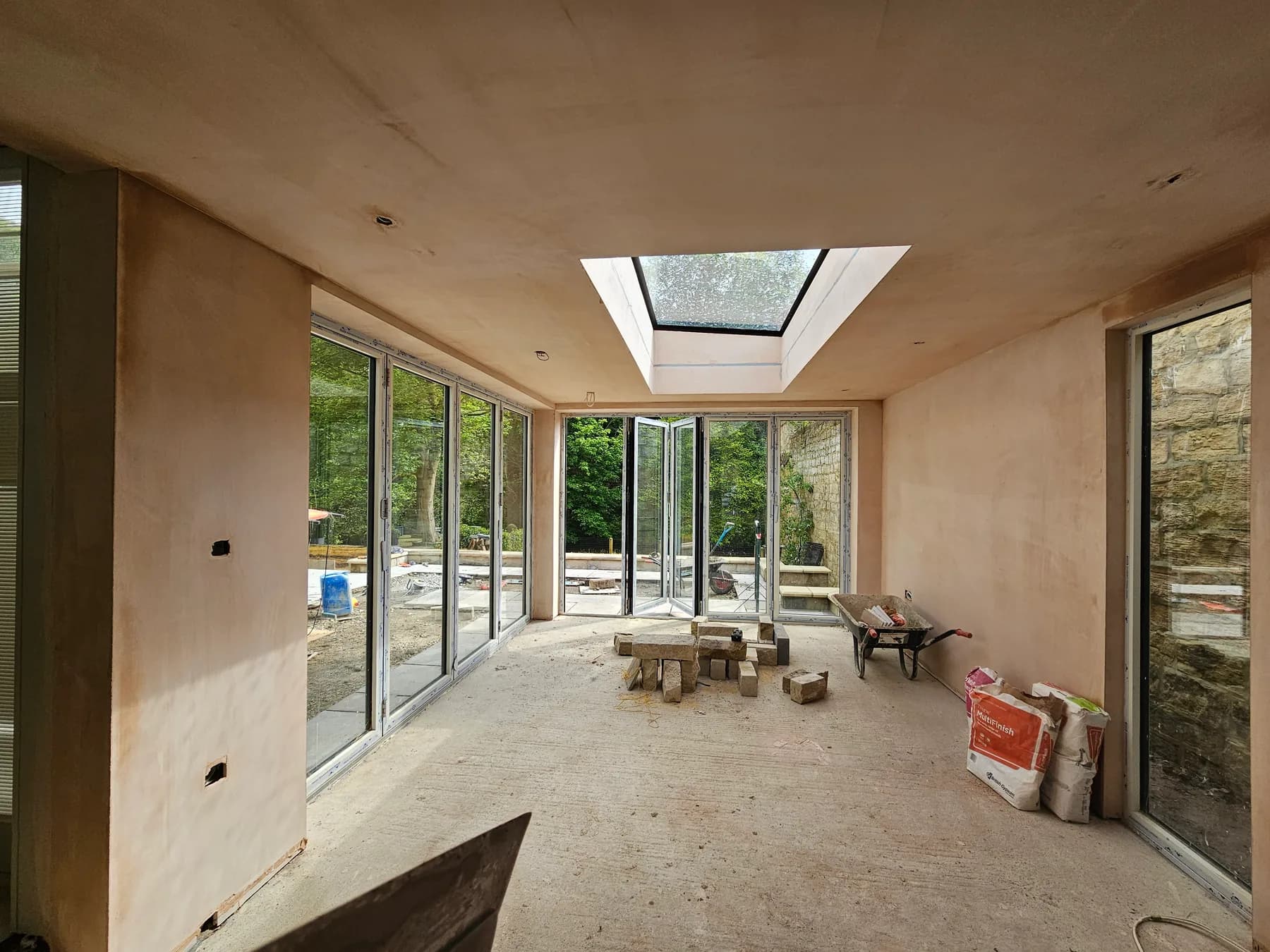
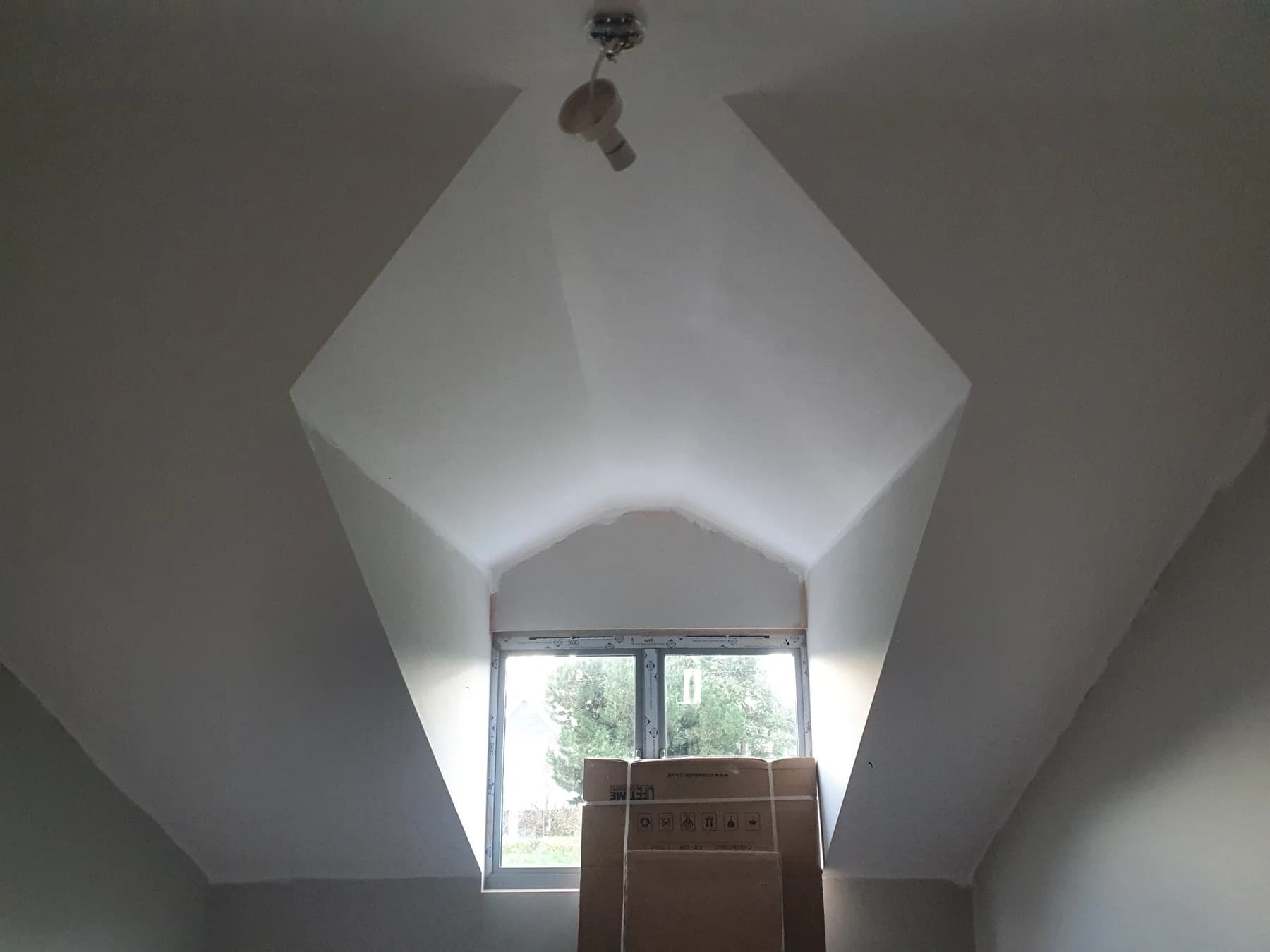
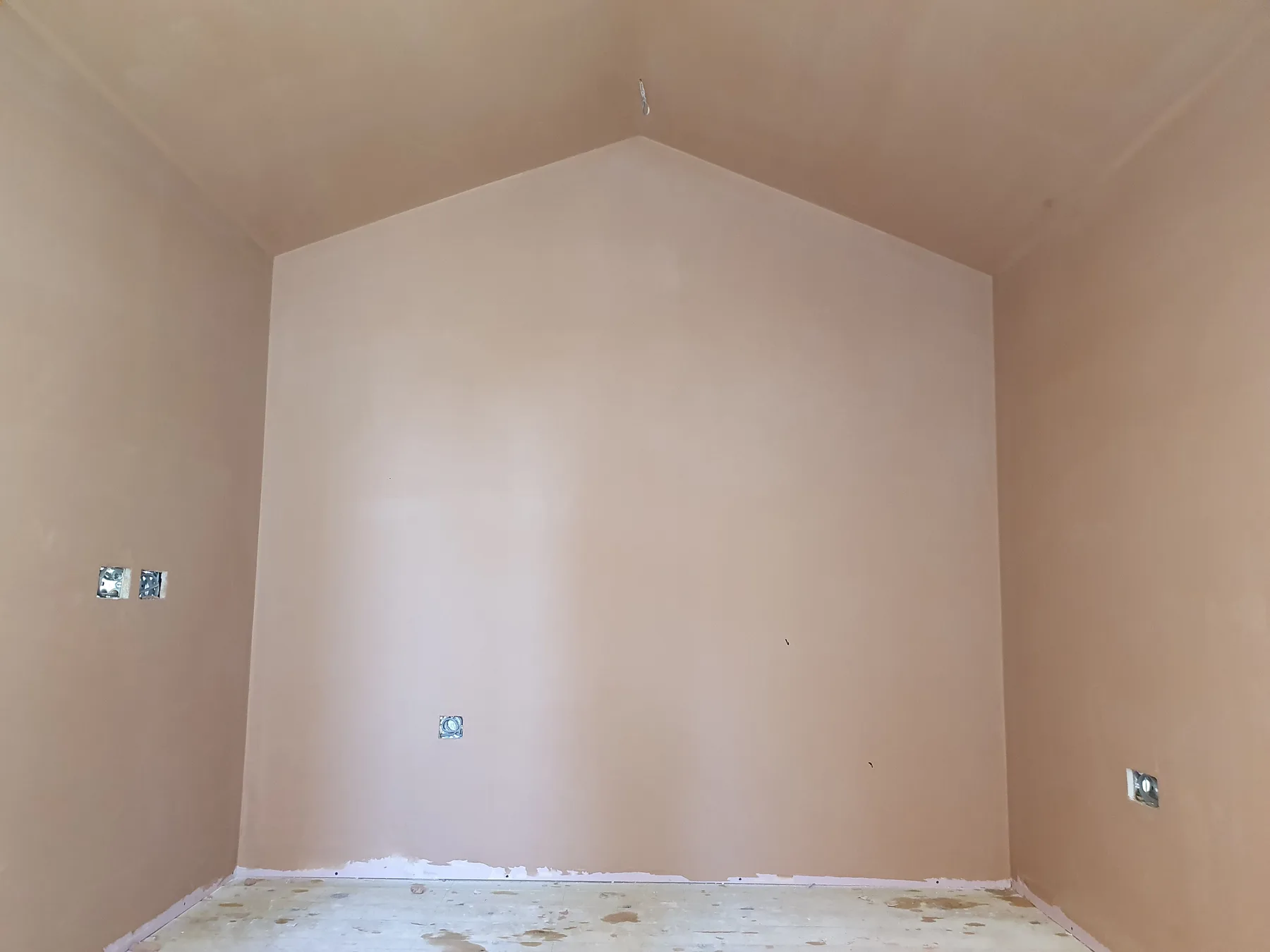
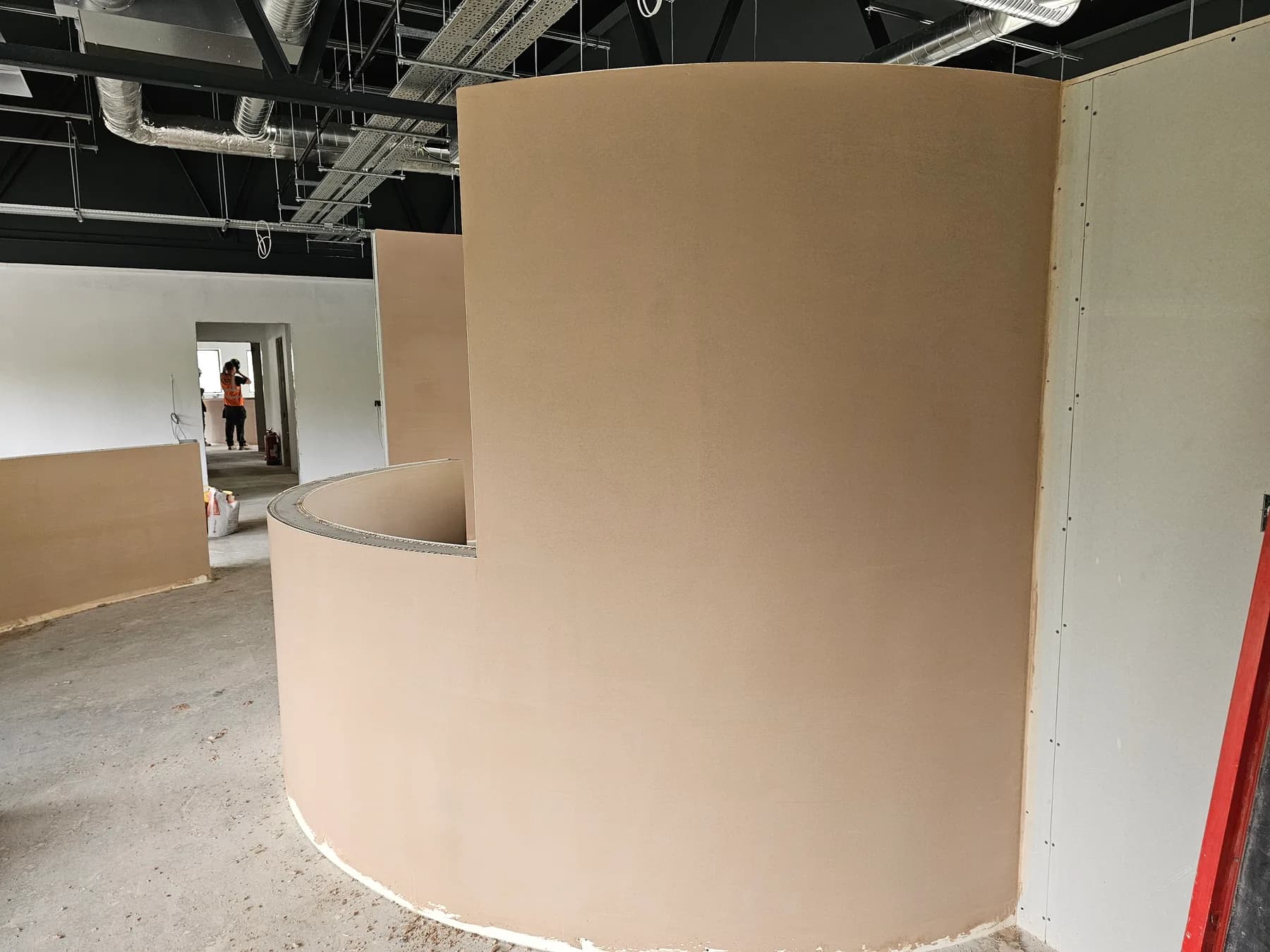
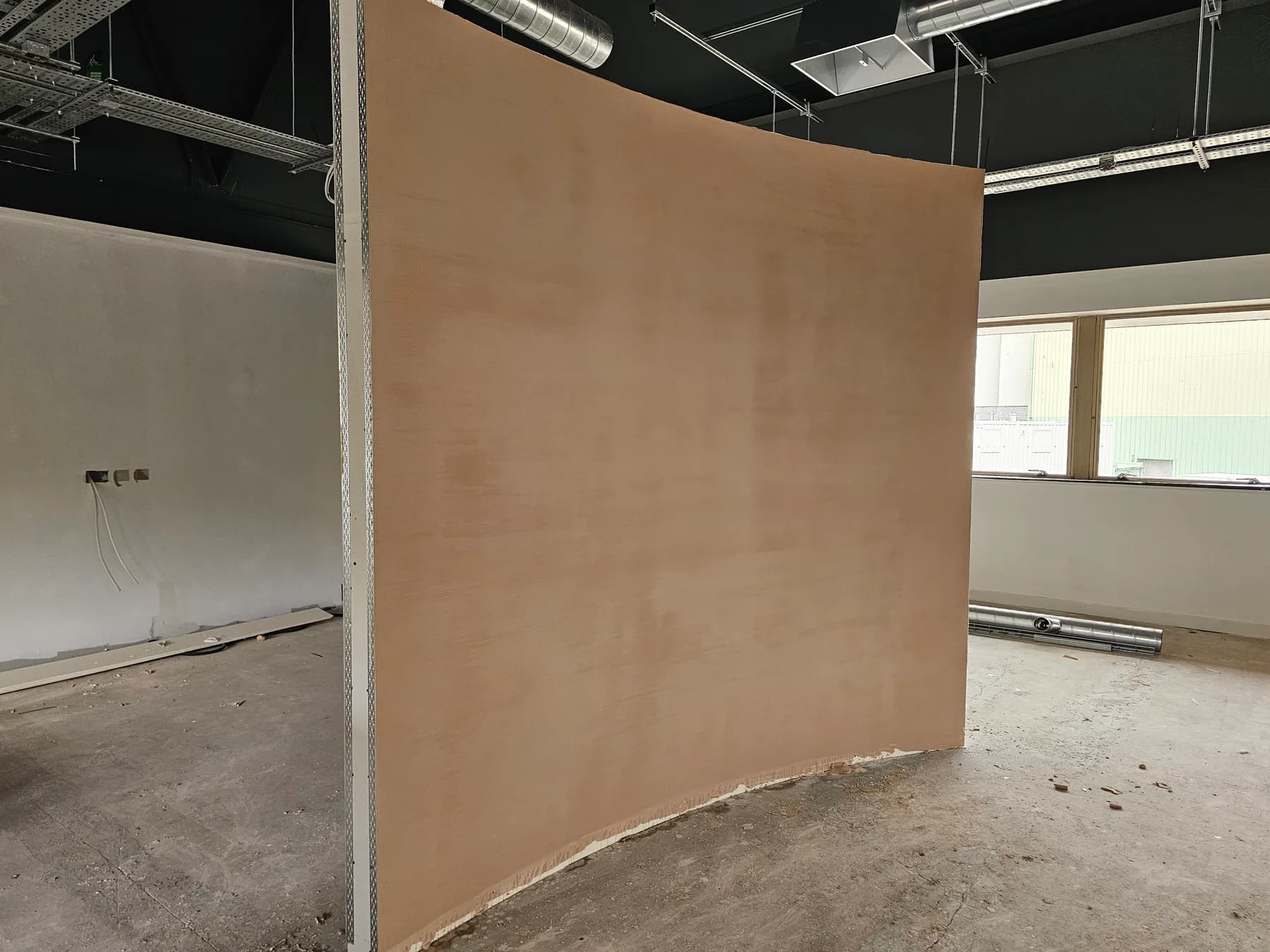
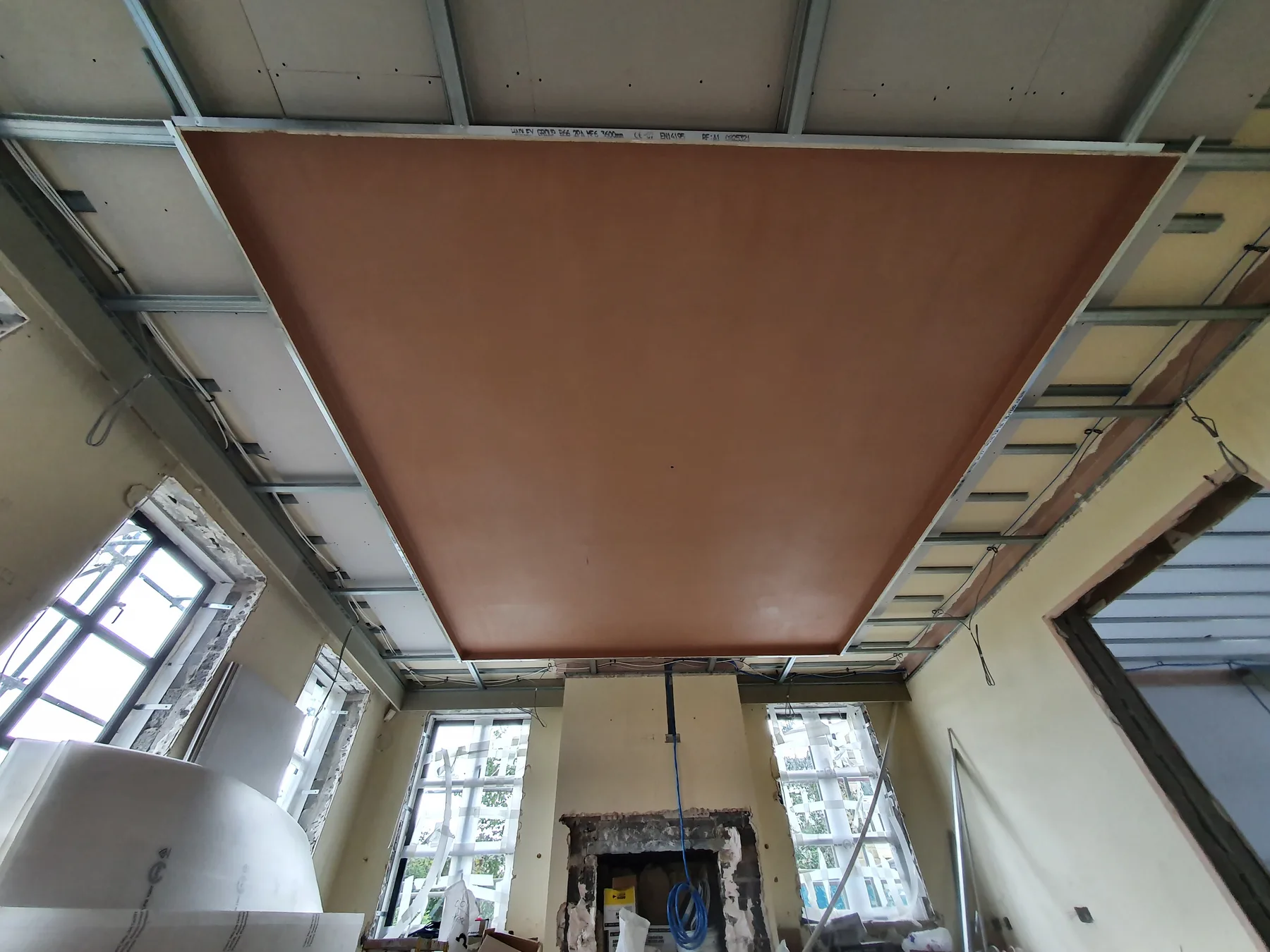
Rear extension — smooth skim finish with lantern rooflight and bifold doors
01 / 06
How we deliver it
A clear, considered process from first survey to final sign-off — no surprises along the way.
- 01
Assessment & preparation
We assess the substrate — existing plaster, board, blockwork or brick — to identify any structural cracks, damp patches or unstable sections that need addressing before new plaster goes on.
- 02
Suction control & priming
Surfaces are cleaned back, any loose material removed, and a PVA bonding agent or specialist primer applied to control suction and give the new plaster a consistent, reliable key.
- 03
First coat — bonding or float coat
A bonding or scratch coat is applied to bring surfaces to a flat, level plane and build the required thickness, with angles, corners and reveals checked and beaded where needed.
- 04
Finishing skim coat
A fine finishing coat is applied, ruled off flat and polished to a smooth, hard surface — leaving a tight, uniform finish ready for decoration once fully cured.
- 05
Clean-down & handover
All plaster debris, sheeting and dust is cleared before handover. We advise on curing time and decoration readiness so the next trade can plan their start accurately.
What's included
Every layer of the system is specified for performance, not just appearance.
Gypsum multi-finish plaster
The industry-standard finishing plaster for internal walls and ceilings — smooth, hard-setting and compatible with all standard decoration systems.
Bonding coat & browning
High-suction bonding coats for lower-porosity or uneven substrates, ensuring the finish coat keys correctly and cures consistently across the surface.
Hardwall undercoat
A water-resistant undercoat used in damp-prone areas and as a first coat over repaired substrates, providing a stable, moisture-tolerant base.
Dry lining systems (where specified)
Plasterboard direct-bonded or dot-and-dab fixed to masonry walls, providing a fast, thermally efficient alternative to wet plaster systems on suitable elevations.
Beads & accessories
Angle, stop and arch beads — plus movement-tolerant expansion beads where required — ensuring clean, sharp lines at all junctions and reveals.
Manufacturer-Backed Warranty
Our own workmanship guarantee on every plastering project — if the finish doesn't meet the standard agreed, we come back and put it right. No quibbles.
Request your free quoteCommon questions
What types of plastering do you carry out?
We cover the full range: finishing skim over existing plaster or board, float and set on bare masonry or blockwork, patch repairs, dry lining, ceiling plastering, and external render base coats. If you're unsure which your project needs, we'll advise during survey.
How long before I can paint after plastering?
New plaster should be allowed to dry fully before painting. Drying time varies depending on the plaster system, the thickness applied, and site conditions including temperature, humidity and ventilation. For emulsion, a diluted mist coat should be applied first; for oil-based paints the plaster must be fully dry. We advise on timing based on the system used and site conditions.
Can you plaster around an occupied home?
Yes — we work around occupied properties regularly. We plan the programme to keep disruption to a minimum, dust-sheet adjacent rooms and coordinate carefully so you're never locked out of essential areas for extended periods.
Do you carry out patch plaster repairs?
Yes. Patch repairs are matched as closely as possible to the surrounding finish in build-up and texture. Where existing plaster has deteriorated beyond economic repair — or where patches are numerous enough that a full re-skim would give a better result — we'll tell you honestly rather than patching indefinitely.
How long does a full room re-skim take?
A typical room takes a day to apply, plus time to dry fully before decoration. Larger rooms, low-ceiling heights or complex details (multiple reveals, arches, cornices) add to the programme — we'll give you a clear timeline at quote stage.
Useful guides for plastering
Plastering across Yorkshire
We cover towns and cities across Yorkshire — follow the links below for area-specific information including local housing types, planning considerations and what to expect from your survey.
Ready to transform your property?
Get a free, no-obligation quote from Yorkshire's premium rendering and insulation specialists. We typically reply within one working day.