
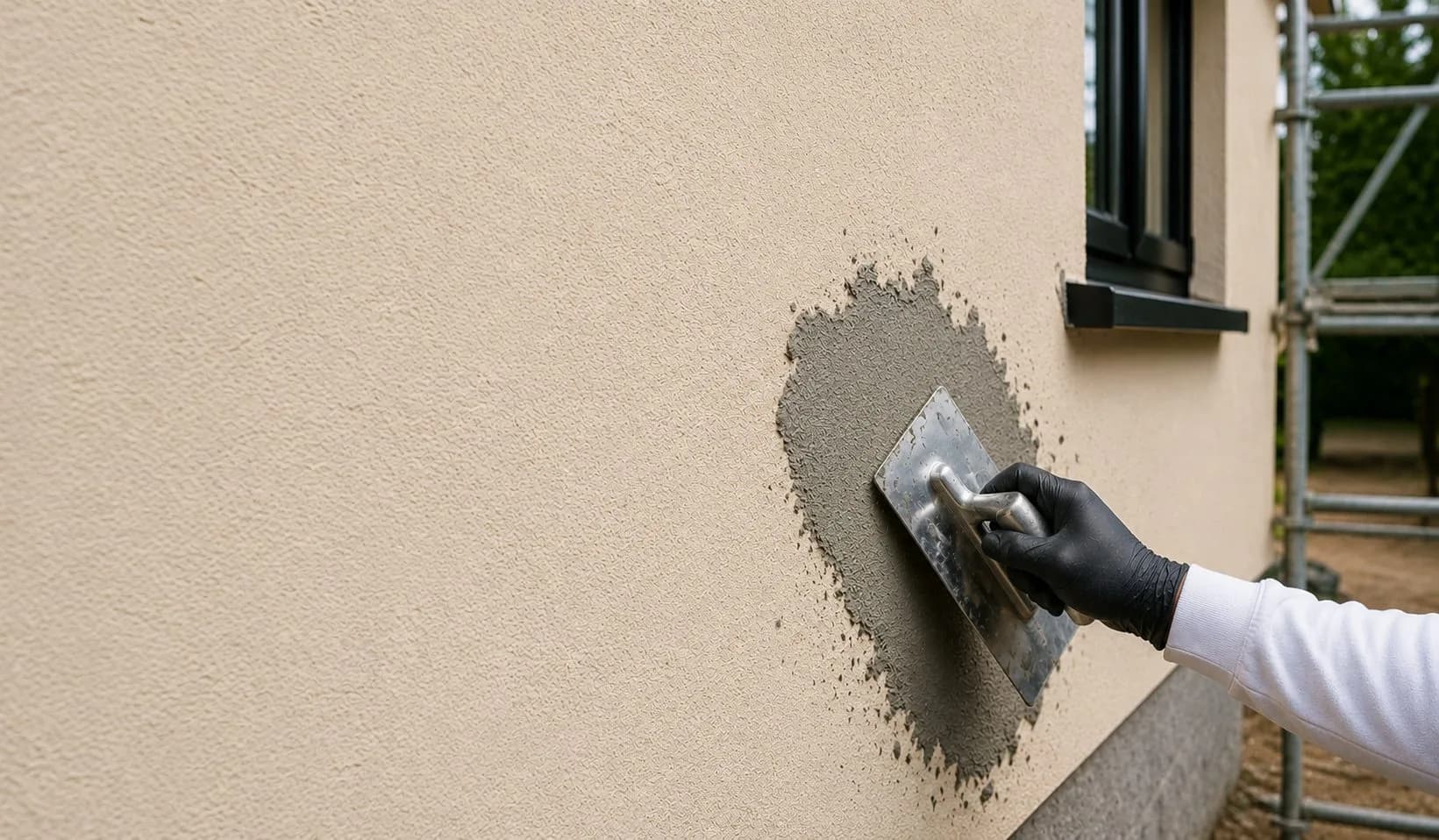
Wall Plastering in Bradford
Wall plastering — applying plaster to masonry, blockwork, dot-and-dab plasterboard or stud walls to produce a smooth, flat surface ready for decoration — is a core part of most residential renovations, extensions and refurbishments.
- Free Survey & QuoteNo obligation — confirmed within one working day
- 17+ Years ExperienceTrusted across Yorkshire since 2009
- Fully InsuredPublic liability & workmanship cover on every job
- Manufacturer AccreditedApproved installer — warranty-valid on every system
Wall Plastering — what you need to know
Wall plastering — applying plaster to masonry, blockwork, dot-and-dab plasterboard or stud walls to produce a smooth, flat surface ready for decoration — is a core part of most residential renovations, extensions and refurbishments. Getting walls right before decoration matters: a poorly plastered wall shows every imperfection under paint, and a wall that has not been properly prepared will fail long before the plaster should. We work to the correct plaster thicknesses and drying times for each substrate type.
Bradford's gritstone-built Victorian properties frequently have original lime plaster on solid stone walls — a substrate that requires lime-compatible repair mortars rather than modern gypsum. Properties in Shipley and Manningham being refurbished often need full replasters after original plaster has deteriorated beyond patch repair.
Free · No Obligation
Get a quote for Wall Plastering in Bradford
We visit your property, assess the work and give you a fixed written quote. No call centres, no pressure, no hidden charges.
Request Free SurveyOr call +447774708801Common situations we resolve
Victorian solid brick walls where original lime plaster is failing and needs replacing with a compatible system
Rural stone property walls where rubble-stone substrate needs a base render before a finish plaster can be applied
New extension or conversion walls in blockwork or brick that need plastering before decoration
Existing walls in poor condition that cannot be decorated without replastering
Walls partially stripped or damaged that need making good
Property considerations in Bradford
Bradford's distinctive stone-built Victorian terraces and semi-detached properties, constructed predominantly between 1860 and 1914 from local gritstone and sandstone, present substrate conditions that differ from the brick-built housing more typical elsewhere in Yorkshire. Gritstone absorbs and releases moisture differently from brick, and original lime mortar pointing is common on older properties. The city's varied topography — steep hillsides in Shipley, Saltaire and Manningham — means render exposure varies considerably across the district.
Bradford sits in a broad valley system on the western edge of the Yorkshire Pennines, with significant annual rainfall and exposure to rain-bearing westerly winds that make weatherproof external render particularly worthwhile on exposed elevations.
Saltaire is a UNESCO World Heritage Site and has strict planning controls; properties in Bingley, Ilkley and parts of Bradford city centre may also be subject to conservation area conditions.
Bradford & surrounding areas
Our approach
Substrate assessment
We establish the wall substrate — masonry, blockwork, stud, or existing plaster — and the work required. Different substrates need different preparation, bonding agents and plaster types. We identify any areas of concern before starting.
Preparation
Suction is controlled with the appropriate bonding or PVA treatment. Angle beads are fixed to all external corners. Where required, a scratch or floating coat is applied to bring the wall to a consistent plane before the finishing coat.
Plastering
The finishing coat is applied in consistent passes, trowelled back to a smooth flat surface and checked with a straight edge for consistency. All corners, reveals and junctions are square and clean.
Handover
Walls are left to dry with adequate ventilation. We confirm the drying time before decoration and clear all waste before leaving.
What determines the cost
We provide fixed written quotes — what you are quoted is what you pay. The factors below determine where your project sits within the range for this type of work.
- Lime-compatible base and finish specification on stone or original lime substrate
- Total wall area — measured in square metres
- Substrate type — masonry requires more preparation than plasterboard
- Whether a bonding or floating coat is needed before the finish coat
- Number of windows, doors and reveals involved
The most accurate way to understand the cost for your specific property is a free on-site survey. We assess the substrate, take measurements and provide a full itemised written quote.
Why homeowners in Bradford choose us
- One team throughout — no subcontractingThe same experienced team that surveys your property carries out the work and completes the final inspection — clear accountability from first visit to handover.
- Free survey, no obligationWe visit your property, assess the substrate, take measurements and provide a written quote with an honest recommendation. No pressure to proceed.
- Specialists — rendering and plastering is all we doOur specialism means better system knowledge, more careful application, and finishes that perform as the manufacturer intended.
Related services in Bradford
Wall Plastering in nearby areas
Common questions
Is plastering directly onto stone walls different from plastering onto brick?
Yes. Rubble-stone walls have an irregular, often damp substrate that needs a lime-based render base before a finish plaster can be applied. The mix, thickness and drying sequence all differ from plastering onto brick or blockwork. On stone walls, achieving a truly flat surface is also more difficult — the base coat needs to be applied and allowed to set before the finish coat brings the surface to consistent plane.
What is the difference between wall plastering and skimming?
Plastering means applying a full-depth plaster system to a bare or failing substrate — typically a bonding or floating coat followed by a finish coat. Skimming is a thin finish coat over an existing surface that is in sound condition. If existing walls are sound but rough, skimming is right. If they are being built or substantially rebuilt, or if the existing plaster is failing, plastering is required.
Can you plaster over old paint or wallpaper?
Old paint that is firmly adhered can be skimmed over. Wallpaper should generally be stripped before replastering — skimming over wallpaper is not recommended because the paper can lift and take the new plaster with it. We assess the wall condition and advise on the correct approach during the survey.
Can you plaster onto new blockwork extension walls?
Yes — this is straightforward work. New blockwork walls are primed with the appropriate bonding agent, then a floating coat is applied to achieve a consistent plane, followed by the finish coat. New blockwork can have a variable suction rate, so controlling the primer coat is important for a consistent finish. We allow for this in our survey assessment.
Do I need planning permission for render work in Bradford?
For most residential properties in Bradford, changing external render colour or applying a new render system does not require planning permission. However, properties within Bradford's conservation areas, or that are listed buildings, may need consent before any change to external appearance. We flag this risk during the survey and can advise on what is likely to be acceptable — but confirming with the local planning authority is recommended before work proceeds.
Useful guides for wall plastering in Bradford
Ready to transform your property?
Get a free, no-obligation quote from Yorkshire's premium rendering and insulation specialists. We typically reply within one working day.