
Post-Rewire Plastering in Driffield
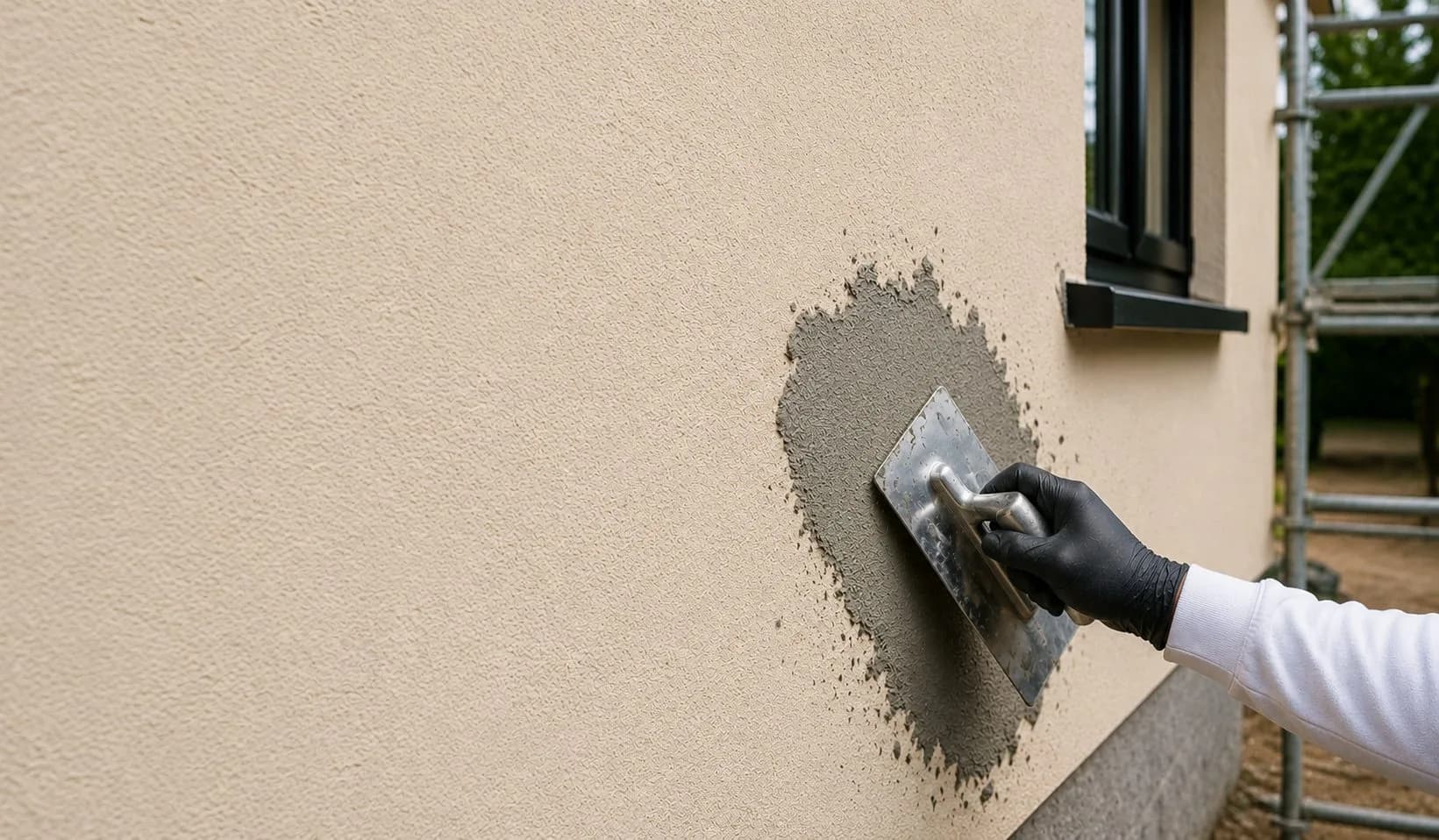
Post-rewire plastering covers the making-good of all plasterwork disturbed during an electrical rewire — chased channels in walls and ceilings for new cables, back-box recesses, ceiling penetrations for new lighting circuits and consumer unit locations.
- Free Survey & QuoteNo obligation — confirmed within one working day
- 17+ Years ExperienceTrusted across Yorkshire since 2009
- Fully InsuredPublic liability & workmanship cover on every job
- Manufacturer AccreditedApproved installer — warranty-valid on every system
Post-Rewire Plastering — what you need to know
Post-rewire plastering covers the making-good of all plasterwork disturbed during an electrical rewire — chased channels in walls and ceilings for new cables, back-box recesses, ceiling penetrations for new lighting circuits and consumer unit locations. A rewire leaves a property's walls and ceilings in need of systematic repair before decoration can begin. We work across the whole property after the electrician's first fix to bring every affected wall and ceiling back to a smooth, finished surface. We also cover making-good after other first-fix trades: central heating pipe runs, new plumbing, window replacement and damp treatment that has required removing and replacing internal plasterwork.
Victorian brick properties in Driffield town centre have demand for plastering — original plaster in the older terrace and semi-detached stock requires repair or replacement during renovation, and ceiling repairs are common.
Free · No Obligation
Get a quote for Post-Rewire Plastering in Driffield
We visit your property, assess the work and give you a fixed written quote. No call centres, no pressure, no hidden charges.
Request Free SurveyOr call +447774708801Common situations we resolve
Walls and ceilings channelled for new cables during a full or partial house rewire
Back-box recesses for new sockets, switches and data points that need filling and finishing
Ceiling voids and penetrations for new lighting circuits, extractors or consumer unit feeds
Making good after central heating pipe runs, new boiler installation or plumbing alterations
Walls needing repair after window replacement where the reveals and sills have been disturbed
Property considerations in Driffield
Driffield, known as the Capital of the Yorkshire Wolds, is an East Riding market town with a predominantly Victorian brick-built character in its town centre and on the older residential streets. The housing stock includes Victorian terraces and semi-detached properties near the market place, interwar development in the suburbs, and modern residential estates on the periphery. The Driffield Navigation, a canal connecting to the River Hull, runs through the town. The surrounding Wolds landscape is gentle and rolling.
Driffield's Yorkshire Wolds position means consistent East Yorkshire rainfall — the relatively open Wolds landscape means properties on exposed aspects face adequate wind-driven rain loading relevant to external render maintenance.
Driffield & surrounding areas
Our approach
Assessment and scope
We walk the property identifying every chase, void, back-box recess and disturbed surface that needs repair. We establish whether the work is patch and fill or whether full-section replastering is needed in rooms where the extent of disturbance is significant.
Preparation
Chases are checked to confirm all cables or pipes are correctly secured and positioned before making-good begins. Recesses and channels are cleaned out and loose material removed. The correct key is prepared in each chase so the filler or plaster bonds correctly.
Filling and plastering
Chases and recesses are filled in layers — bonding plaster or mortar to fill the depth, a finishing coat to bring the surface level and flush with the surrounding plaster. For rooms with extensive disturbance, a skim coat over the entire wall or ceiling produces a better result than individual patch fills.
Finishing
All repaired surfaces are brought to a smooth, flush finish consistent with the surrounding plasterwork. We leave every room ready for a mist coat and decoration — no visible patches, no proud or recessed fills, no mismatched textures.
What determines the cost
We provide fixed written quotes — what you are quoted is what you pay. The factors below determine where your project sits within the range for this type of work.
- Number and total length of cable chases requiring filling
- Number of back-box recesses and ceiling penetrations
- Whether individual patch repairs or a full skim coat over each room is the better approach
- Property size and number of rooms affected by the rewire
- Whether any rooms need partial or full replastering due to the extent of disturbance
The most accurate way to understand the cost for your specific property is a free on-site survey. We assess the substrate, take measurements and provide a full itemised written quote.
Why homeowners in Driffield choose us
- One team throughout — no subcontractingThe same experienced team that surveys your property carries out the work and completes the final inspection — clear accountability from first visit to handover.
- Free survey, no obligationWe visit your property, assess the substrate, take measurements and provide a written quote with an honest recommendation. No pressure to proceed.
- Specialists — rendering and plastering is all we doOur specialism means better system knowledge, more careful application, and finishes that perform as the manufacturer intended.
Related services in Driffield
Post-Rewire Plastering in nearby areas
Common questions
When should post-rewire making-good happen in the work sequence?
Making-good should follow first fix (cables run, back boxes positioned) and happen before second fix (faceplates, sockets, switches fitted). This allows the plasterwork to be finished around the back boxes correctly and gives adequate drying time before the electrician returns for second fix. We coordinate with the electrician on the programme — getting the sequence right avoids damage to fresh plaster from the second fix trades.
Can cable chases be filled with standard filler?
Ready-mixed fillers are suitable for very small and shallow defects. Cable chases are typically 15–25mm deep and run across substantial wall areas — they need a proper backing plaster or bonding coat to fill the depth before a finishing coat brings the surface flush. Using filler alone in deep chases produces a repair that cracks as it dries and shrinks. We use the correct material for each depth of repair.
Our rewire has left the walls very patchy — do we need a full replaster?
Not necessarily. Where chases are clean and cable runs consistent, filling the chases followed by a skim coat over the entire wall or ceiling produces a better finish than individual patches and is often more cost-effective. Where the disturbance is across most of the wall area — common in older properties where removing original plaster was unavoidable — a full replaster may be more practical. We assess each room honestly.
Do you cover making-good after plumbing and heating work as well as rewiring?
Yes — the same skills apply. We cover making-good after central heating pipe runs, boiler installation, plumbing alterations, window replacement and damp treatment as well as post-rewire plastering. If several trades have disturbed the plasterwork, we assess and price the full scope in one survey.

Ready to transform your property?
Get a free, no-obligation quote from Yorkshire's premium rendering and insulation specialists. We typically reply within one working day.