
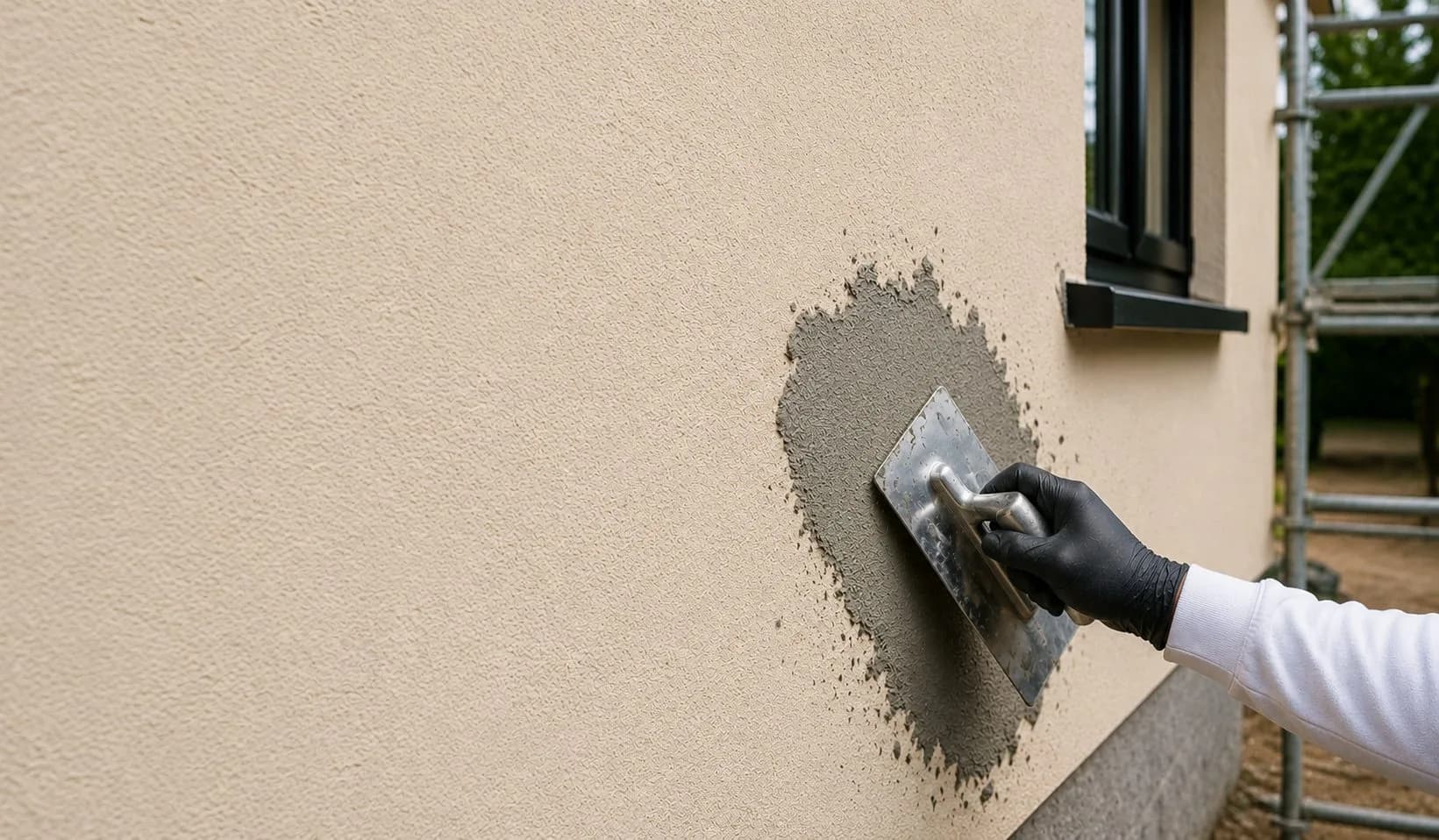
Ceiling Plastering in Haxby
Ceiling plastering is one of the more demanding plastering tasks — working overhead, holding wet plaster to a horizontal surface and achieving a flat, smooth finish that shows every imperfection under raking light.
- Free Survey & QuoteNo obligation — confirmed within one working day
- 17+ Years ExperienceTrusted across Yorkshire since 2009
- Fully InsuredPublic liability & workmanship cover on every job
- Manufacturer AccreditedApproved installer — warranty-valid on every system
Ceiling Plastering — what you need to know
Ceiling plastering is one of the more demanding plastering tasks — working overhead, holding wet plaster to a horizontal surface and achieving a flat, smooth finish that shows every imperfection under raking light. Ceilings in older properties frequently have lath-and-plaster construction, which requires careful assessment before any repair or re-plaster work. We handle both full ceiling replasters and patch repairs, and can assess whether a ceiling needs full removal or can be repaired in place.
Haxby's interwar semi-detached properties on the older residential streets frequently retain original sand-and-cement plaster that has become friable — full replasters on these properties typically reveal solid masonry walls requiring bonding coat preparation before modern finishing coats can be applied.
Free · No Obligation
Get a quote for Ceiling Plastering in Haxby
We visit your property, assess the work and give you a fixed written quote. No call centres, no pressure, no hidden charges.
Request Free SurveyOr call +447774708801Common situations we resolve
Interwar properties where the original sand-cement bonding coat has separated from the substrate, pulling the finish coat with it
Cracked or sagging ceilings that are unsafe or visually unacceptable
Ceiling plaster that sounds hollow and has lost adhesion to the substrate
Water-damaged ceilings softened or stained by a resolved roof or pipe leak
New or altered ceilings in extensions or conversions that need plastering
Property considerations in Haxby
Haxby is a popular commuter village north of York that has grown substantially through the 20th century from its older village core. The housing stock includes interwar semi-detached properties in the older parts, post-war estates from the 1950s to 1980s, and modern development on the village periphery. The older interwar properties have solid masonry walls; the larger post-war and modern estates are predominantly cavity-walled. Haxby and neighbouring Wigginton together form one of York's largest dormitory communities.
Haxby's position north of York means exposure to northerly weather across the Vale of York — consistent annual rainfall makes maintaining external render on the older solid-walled properties worthwhile.
Haxby & surrounding areas
Our approach
Ceiling assessment
We tap-test the entire ceiling to identify blown or detached sections, inspect for water damage or staining from past leaks, and assess the substrate type (plasterboard, lath, concrete). This determines whether the ceiling can be repaired in sections, skimmed, or needs full removal and replacement.
Preparation
Any loose or unsafe plaster is removed before work begins. If the ceiling has lath-and-plaster and laths are broken or missing, we repair or replace the damaged sections before re-plastering. For plasterboard ceilings, joints and screws are taped and filled.
Plastering
A bonding or base coat is applied where required, followed by the finishing coat. Ceiling plaster is applied in sections and trowelled back to a flat, consistent surface. Working on ceilings requires scaffolding or staging — we provide appropriate access equipment.
Finishing
The ceiling is left smooth and flat, ready for a mist coat and decoration once dry. We clear all waste material and leave the space clean before we leave.
What determines the cost
We provide fixed written quotes — what you are quoted is what you pay. The factors below determine where your project sits within the range for this type of work.
- Ceiling area — large or multi-room ceiling projects involve more material and time
- Whether the ceiling is lath-and-plaster (more involved to repair or remove) or plasterboard
- Extent of damage — patch repair versus full removal, re-boarding and replaster
- Ceiling height — higher ceilings require additional access equipment
- Lath removal and disposal before new boarding — adds time compared to plasterboard replacement only
The most accurate way to understand the cost for your specific property is a free on-site survey. We assess the substrate, take measurements and provide a full itemised written quote.
Why homeowners in Haxby choose us
- One team throughout — no subcontractingThe same experienced team that surveys your property carries out the work and completes the final inspection — clear accountability from first visit to handover.
- Free survey, no obligationWe visit your property, assess the substrate, take measurements and provide a written quote with an honest recommendation. No pressure to proceed.
- Specialists — rendering and plastering is all we doOur specialism means better system knowledge, more careful application, and finishes that perform as the manufacturer intended.
Related services in Haxby
Ceiling Plastering in nearby areas
Common questions
When should we replace rather than repair a ceiling?
If more than a third of the ceiling has blown away from the substrate, full removal and re-boarding is usually more practical and cost-effective. Similarly, if laths in a lath-and-plaster ceiling are broken across a wide area, or if the ceiling has been compromised by a significant water event, full removal is the right approach. We assess this honestly during the survey — patch repairs are less disruptive and less expensive, and we recommend them where they are genuinely suitable.
Is a cracked ceiling dangerous?
Hairline cracks in plaster are common and usually cosmetic — caused by minor settlement, seasonal movement or drying shrinkage. However, wider cracks, cracks that follow a regular grid pattern, and any area that sounds hollow when tapped need proper assessment. A ceiling section that has fully blown can fall without warning, which is a safety risk. If you are concerned, have it assessed before deciding whether to repair or leave it.
Our lath-and-plaster ceiling has one large hollow area — is it still worth keeping?
It depends on how much of the ceiling is still sound. We tap-test the whole ceiling at the start of the survey, not just the visible problem area — hollow sections often extend further than the surface cracks suggest. If most of the ceiling is sound with one localised blown area, repair is straightforward. If the hollow spans most of the ceiling, removal and re-boarding is more cost-effective.
How do we deal with a ceiling stained by a past leak?
First, confirm the leak source is fully resolved and the ceiling is completely dry before any plastering work. Once dry, stained or softened plaster is cut back and re-plastered, and the fresh plaster is sealed with an appropriate stain-blocking primer before decoration. We do not recommend painting over water stains without correct preparation — they will bleed through standard emulsion.
Useful guides for ceiling plastering in Haxby

Ready to transform your property?
Get a free, no-obligation quote from Yorkshire's premium rendering and insulation specialists. We typically reply within one working day.