
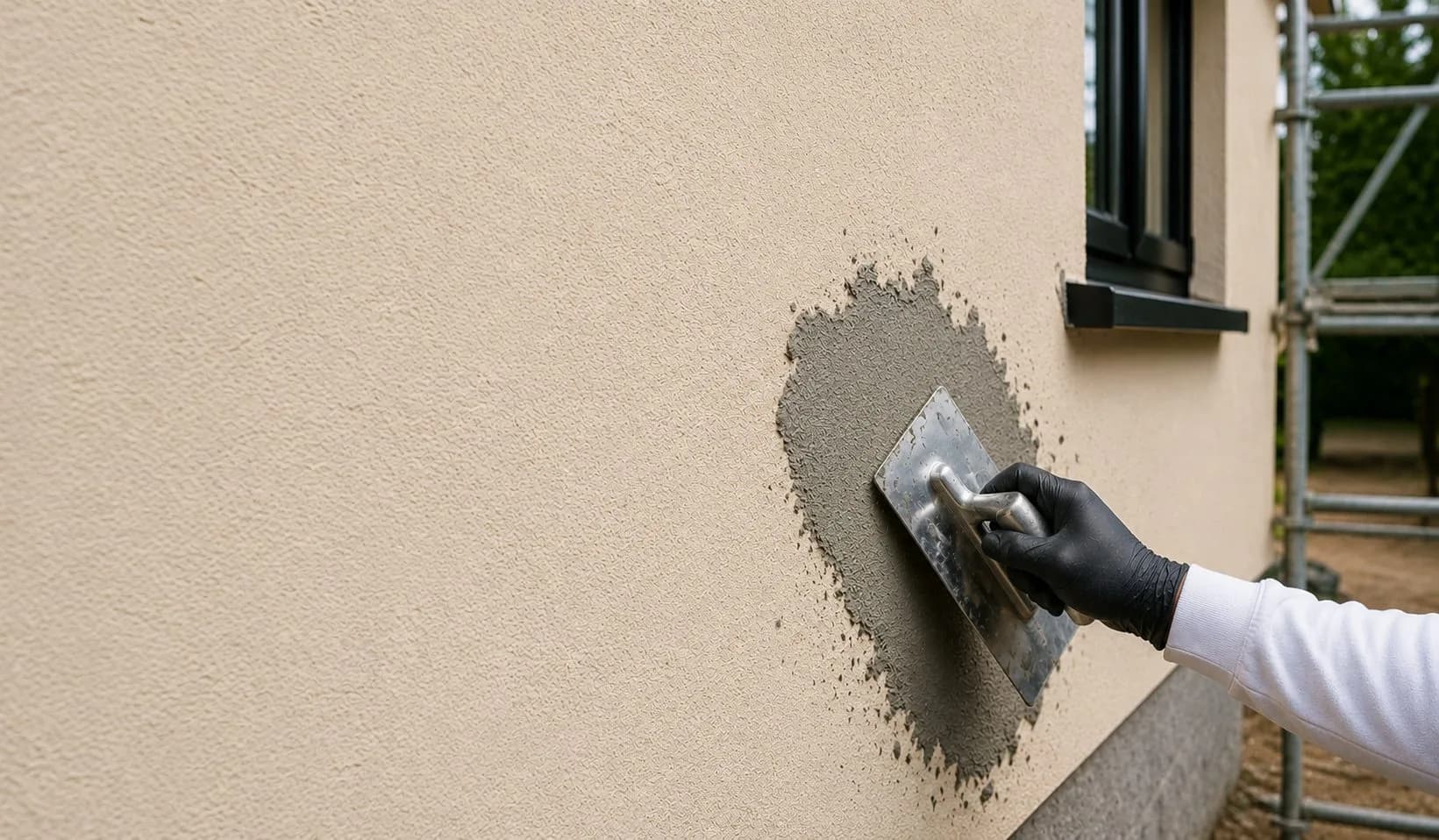
Plasterboarding in Leeds
Plasterboarding — fixing plasterboard to stud walls, timber frames, masonry using dot-and-dab or direct bonding — provides the flat substrate that is then skimmed to a smooth finish.
- Free Survey & QuoteNo obligation — confirmed within one working day
- 17+ Years ExperienceTrusted across Yorkshire since 2009
- Fully InsuredPublic liability & workmanship cover on every job
- Manufacturer AccreditedApproved installer — warranty-valid on every system
Plasterboarding — what you need to know
Plasterboarding — fixing plasterboard to stud walls, timber frames, masonry using dot-and-dab or direct bonding — provides the flat substrate that is then skimmed to a smooth finish. Getting the boarding right is the most important step: correctly fixed, flat and straight boards produce a good skim finish; boards that are not flat, have badly positioned joints or are fixed to an uneven frame will show imperfections through the skim coat regardless of how well the plastering is done. We board and skim as a complete service.
Leeds has an exceptionally high density of Victorian back-to-back terraces with original lath-and-plaster ceilings and walls — a large proportion of plastering work in the city involves either repairing or fully replacing this original fabric. Properties in Headingley, Hyde Park and Beeston regularly require full re-plasters as part of renovation.
Free · No Obligation
Get a quote for Plasterboarding in Leeds
We visit your property, assess the work and give you a fixed written quote. No call centres, no pressure, no hidden charges.
Request Free SurveyOr call +447774708801Common situations we resolve
New stud partition walls in extensions, conversions or internal reconfigurations
Loft conversions where rafters and stud work need boarding before plastering
Old walls being dry-lined rather than wet-plastered directly onto masonry
Replacing failed or water-damaged plasterboard before replastering
Period property rooms being dry-lined to accommodate services behind the boarding without disturbing original masonry
Property considerations in Leeds
Leeds has one of Yorkshire's most varied housing markets — Victorian back-to-back terraces in Headingley, Hyde Park and Beeston; substantial Edwardian semi-detached properties in Roundhay and Alwoodley; interwar suburbs in Horsforth, Pudsey and Morley; and post-war estates in Seacroft and Bramley. A significant proportion of the older stock has solid masonry walls without a cavity, making external render condition more critical for weather exclusion than in cavity-walled post-war homes. Original lath-and-plaster ceilings and walls are common in Victorian terraced properties.
Yorkshire's wet climate affects Leeds as much as any part of the county — persistent autumn and winter rainfall makes maintaining sound external render important for solid-walled Victorian properties where the render is the primary weather barrier.
Our approach
Frame check and preparation
We check stud positions, verify the frame or masonry is plumb and flat, and identify any irregularities that need packing out or correcting before boarding. Correctly prepared framing is the foundation of a flat finished wall.
Board fixing
Boards are fixed in the correct orientation and pattern — vertical on walls (to reduce the number of horizontal joints), staggered on ceilings (to prevent continuous butt joints). Fixings are countersunk; board joints are tight and correctly positioned away from corners.
Joint taping
Board joints and internal angles are taped with joint tape embedded in joint compound. External corners are beaded. The boarding surface is ready for skimming once the compound is dry.
Skim coat
A skim coat of finish plaster is applied over the boarded surface, brought to a flat, smooth finish and left to dry before decoration.
What determines the cost
We provide fixed written quotes — what you are quoted is what you pay. The factors below determine where your project sits within the range for this type of work.
- Total surface area to be boarded
- Board specification — standard, moisture-resistant or fire-rated boards vary in cost
- Fixing method — stud, dot-and-dab or direct bond require different time
- Number of internal and external corners, reveals and junctions
- Access — loft spaces, high ceilings and awkward rooms require additional time
The most accurate way to understand the cost for your specific property is a free on-site survey. We assess the substrate, take measurements and provide a full itemised written quote.
Why homeowners in Leeds choose us
- One team throughout — no subcontractingThe same experienced team that surveys your property carries out the work and completes the final inspection — clear accountability from first visit to handover.
- Free survey, no obligationWe visit your property, assess the substrate, take measurements and provide a written quote with an honest recommendation. No pressure to proceed.
- Specialists — rendering and plastering is all we doOur specialism means better system knowledge, more careful application, and finishes that perform as the manufacturer intended.
Related services in Leeds
Common questions
Is plasterboarding faster than wet plastering directly onto masonry?
In most cases, yes — boarding and skimming is faster than a full multi-coat wet plaster on masonry, and produces a very flat surface. Dot-and-dab boarding onto masonry is common in modern renovation. However, for period properties or situations where breathability of the wall matters, we recommend the right method for the specific building rather than a default.
What type of board should be used in wet areas?
Standard grey-faced plasterboard is not suitable for bathrooms or other damp-prone areas. Moisture-resistant plasterboard (green-faced) is used in these locations. For wet rooms and shower enclosures, cement board or tile backer board is specified. We confirm the correct board type for each area of the project during the survey.
What is dot-and-dab plasterboarding?
Dot-and-dab is a method of fixing plasterboard to masonry walls using dabs of adhesive rather than a stud frame. The board is pressed onto the dabs at the correct spacing, producing a flat surface against the wall. It is faster than building a stud frame and produces a good result on flat masonry. The cavity behind the board needs to be considered for thermal and acoustic performance.
How do you prevent board joints from showing through the skim coat?
Joints between plasterboard panels are taped with scrim tape and jointing compound before skimming, bridging the gap and preventing the joint cracking through the finish coat. Without tape and compound at the joint, the skim coat will crack at the board edges regardless of how well the finish is applied. We tape all joints as a standard step before skimming — it is not optional if a crack-free result is required.
Useful guides for plasterboarding in Leeds
Ready to transform your property?
Get a free, no-obligation quote from Yorkshire's premium rendering and insulation specialists. We typically reply within one working day.