
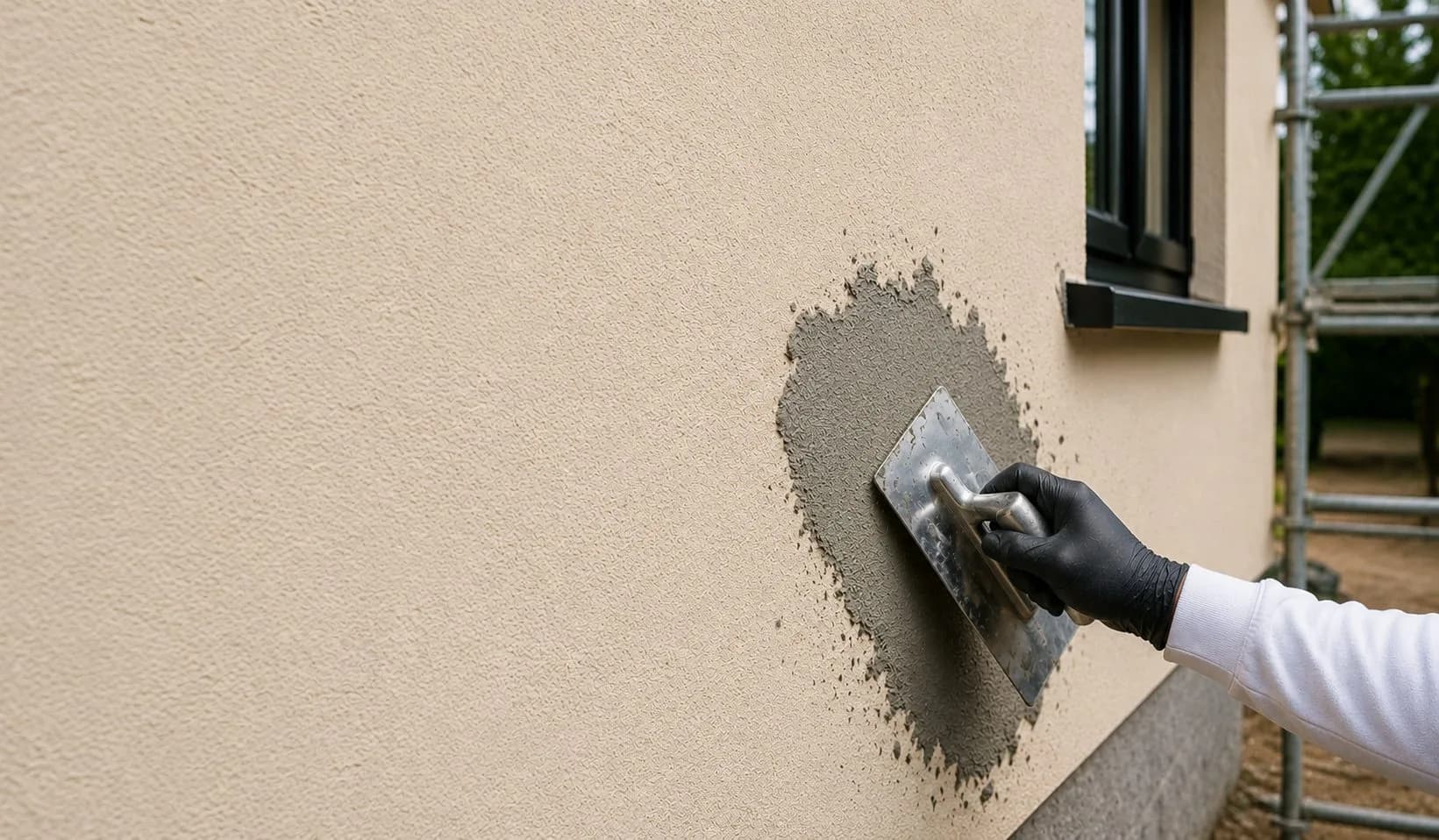
Kitchen Plastering in Pontefract
Kitchen plastering covers the full range of plasterwork involved in kitchen installation and renovation — from replastering walls and ceilings before units are fitted to patching walls after old units are removed and making good around new service penetrations.
- Free Survey & QuoteNo obligation — confirmed within one working day
- 17+ Years ExperienceTrusted across Yorkshire since 2009
- Fully InsuredPublic liability & workmanship cover on every job
- Manufacturer AccreditedApproved installer — warranty-valid on every system
Kitchen Plastering — what you need to know
Kitchen plastering covers the full range of plasterwork involved in kitchen installation and renovation — from replastering walls and ceilings before units are fitted to patching walls after old units are removed and making good around new service penetrations. Kitchens present specific plastering requirements: areas behind and above worktops and cookers need smooth, durable finishes; walls adjacent to the sink need moisture-resistant materials; and the sequencing of plasterwork within a kitchen fit must coordinate with other trades.
Pontefract's Victorian terrace rows and interwar semi-detached properties have significant demand for internal plastering work — many homes in the area are being refurbished with full replasters replacing original plaster that has deteriorated in place. Properties in Featherstone and Hemsworth often have older internal plaster in need of repair or full replacement.
Free · No Obligation
Get a quote for Kitchen Plastering in Pontefract
We visit your property, assess the work and give you a fixed written quote. No call centres, no pressure, no hidden charges.
Request Free SurveyOr call +447774708801Common situations we resolve
Walls in poor condition after old kitchen units are stripped out
Patchy or damaged plaster behind appliances or under old tiling
New kitchen walls in extensions or conversions requiring plastering before fitting
Ceiling damage from past leaks or rerouted services in the kitchen zone
Victorian terrace kitchen walls in solid brick where the plaster behind the old units was lime-plastered and has become damp
Property considerations in Pontefract
Pontefract's housing stock reflects its industrial and market town heritage — Victorian terrace rows in the inner town, significant interwar semi-detached development in the suburbs, and post-war estates across the district. Many Victorian properties have solid masonry walls that rely on external render for weather protection. The surrounding villages — Featherstone, Hemsworth and South Elmsall — have similar housing profiles with a high proportion of pre-war properties.
West Yorkshire's consistent rainfall and westerly exposure means that render maintenance is a practical necessity for solid-walled Victorian properties, not just a cosmetic improvement.
Pontefract & surrounding areas
Our approach
Assessment and scheduling
We assess the kitchen's walls and ceiling, establish what plasterwork is needed and at what stage in the kitchen installation sequence our work fits best. Plastering typically happens after first fix services and before units are delivered — we coordinate with the kitchen fitter on timing.
Preparation
Old plaster, adhesive and tile backing are removed where necessary. Service penetrations are made good. Masonry walls are primed with a bonding agent appropriate to the substrate.
Plastering
Walls and ceiling are plastered in the correct sequence. Moisture-resistant materials are used in the areas directly around the sink and adjacent to the cooker. Surfaces are brought to a flat, smooth finish ready for the kitchen fitter.
Handover
We leave the kitchen plastered to a standard ready for units to be installed. We confirm drying times required before units are fixed and before tiling begins, and clear all waste before leaving.
What determines the cost
We provide fixed written quotes — what you are quoted is what you pay. The factors below determine where your project sits within the range for this type of work.
- Total wall and ceiling area requiring plastering
- Whether old units, tiles and adhesive need removing before plastering begins
- Substrate type — masonry, blockwork or stud requires different preparation
- Moisture-resistant or cement board specification around the sink and wet areas
- Access constraints in smaller or galley kitchens
The most accurate way to understand the cost for your specific property is a free on-site survey. We assess the substrate, take measurements and provide a full itemised written quote.
Why homeowners in Pontefract choose us
- One team throughout — no subcontractingThe same experienced team that surveys your property carries out the work and completes the final inspection — clear accountability from first visit to handover.
- Free survey, no obligationWe visit your property, assess the substrate, take measurements and provide a written quote with an honest recommendation. No pressure to proceed.
- Specialists — rendering and plastering is all we doOur specialism means better system knowledge, more careful application, and finishes that perform as the manufacturer intended.
Related services in Pontefract
Kitchen Plastering in nearby areas
Common questions
When in the kitchen renovation process should plastering happen?
Plastering should happen after first fix plumbing and electrics are complete but before units are delivered. This allows full access to the walls and avoids damage to new units from wet plaster. We coordinate with the kitchen fitter on exact timing — getting the sequence right avoids delays to the overall project.
Do kitchen walls need special materials around the sink or cooker?
Areas around the sink that may be splashed benefit from moisture-resistant plasterboard before the plaster coat. Areas behind and around a cooker should be finished with non-combustible materials — standard plasterboard and plaster are acceptable for most domestic kitchens, but we advise on the specific requirements based on the cooker type and position. We specify the correct materials for each area during the survey.
Can you plaster in a Victorian terrace kitchen where the original walls are solid brick?
Yes — solid brick walls in Victorian kitchens are plastered with a bonding coat on the masonry followed by a finish coat. If the original lime plaster is partly in place and sound, sections can be repaired in kind. Where the original plaster behind old units has become damp or has blown, those sections need removing and replastering before new units are installed.
How long do we need to wait before fitting kitchen units after plastering?
New plaster should be left to dry fully before fixing units or tiles. The time required depends on the plaster system, the thickness applied and the site conditions — temperature, humidity and ventilation all affect how quickly plaster dries. Fixing into wet plaster causes fixings to work loose as the plaster continues to shrink. We confirm the recommended wait for the specific system used at the end of each job.
Useful guides for kitchen plastering in Pontefract

Ready to transform your property?
Get a free, no-obligation quote from Yorkshire's premium rendering and insulation specialists. We typically reply within one working day.