
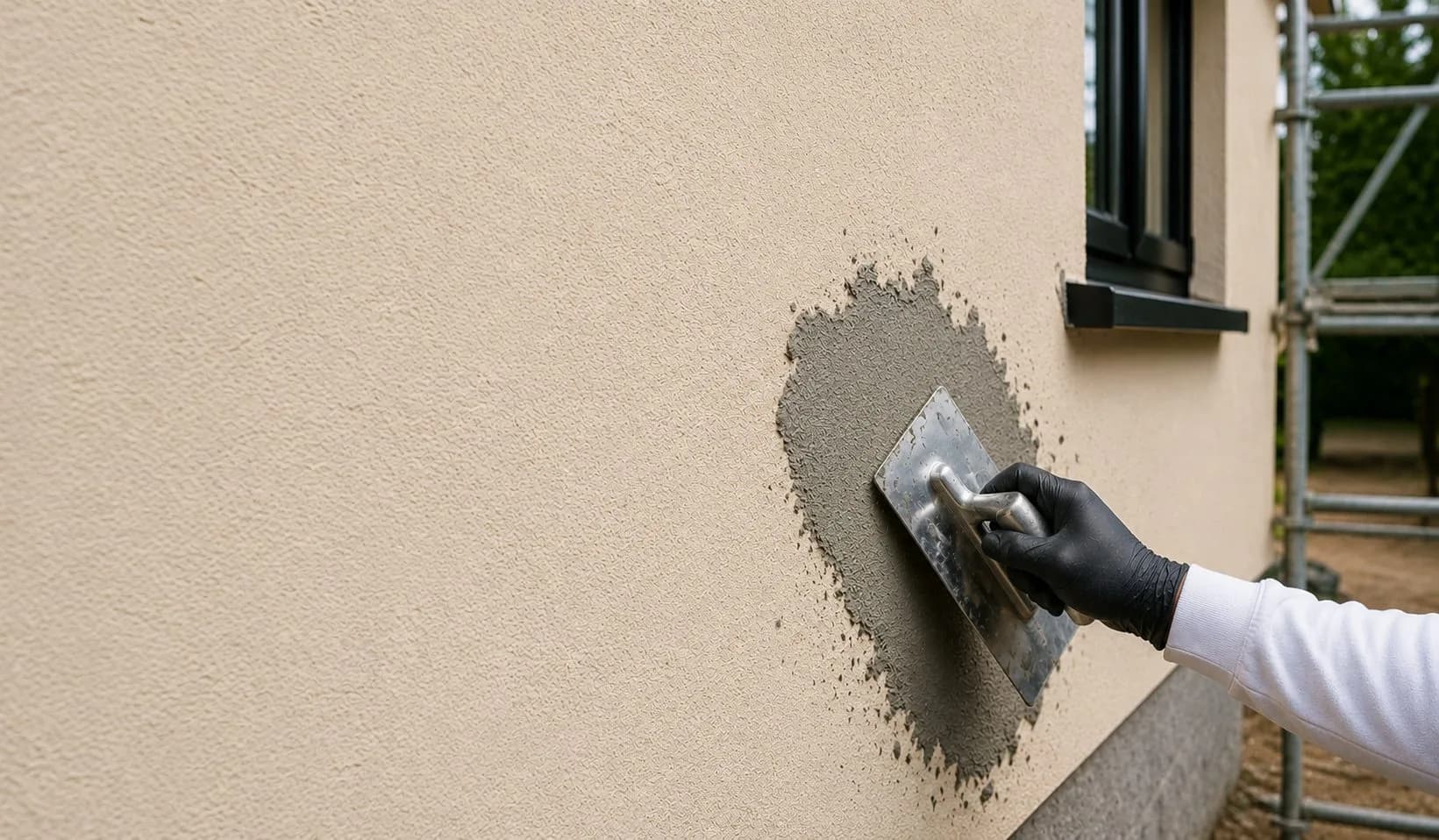
Bathroom Plastering in Robin Hood's Bay
Bathroom plastering requires different materials and greater care than plastering in dry rooms.
- Free Survey & QuoteNo obligation — confirmed within one working day
- 17+ Years ExperienceTrusted across Yorkshire since 2009
- Fully InsuredPublic liability & workmanship cover on every job
- Manufacturer AccreditedApproved installer — warranty-valid on every system
Bathroom Plastering — what you need to know
Bathroom plastering requires different materials and greater care than plastering in dry rooms. Bathrooms are persistently damp environments, and standard gypsum plaster — used correctly in most rooms — is unsuitable for direct contact with water. Correct bathroom plastering means choosing moisture-resistant materials, ensuring adequate ventilation, and preparing the substrate to handle ongoing humidity without plaster breakdown or mould growth behind tiles.
Stone-built cottages in Robin Hood's Bay require lime-compatible plastering throughout — original lime plaster on solid stone walls is standard, and any repair or replacement must use appropriate lime-based materials. Coastal damp is a frequent cause of plaster failure.
Free · No Obligation
Get a quote for Bathroom Plastering in Robin Hood's Bay
We visit your property, assess the work and give you a fixed written quote. No call centres, no pressure, no hidden charges.
Request Free SurveyOr call +447774708801Common situations we resolve
Original lime plaster adjacent to the bath or shower that is incompatible with modern cement board or moisture-resistant board at the junction
En suite added to a stone or solid-brick bedroom where the damp-proof membrane at the junction has not been correctly detailed
Coastal properties where persistent background humidity has accelerated tile failure and plaster breakdown in poorly ventilated bathrooms
Bathroom walls uneven, cracked or in poor condition before retiling
Failed tile adhesive where the plaster substrate behind has broken down
Property considerations in Robin Hood's Bay
Robin Hood's Bay is a historic fishing village north of Scarborough, known for its distinctive steep, winding streets and tightly packed stone-built cottages descending to the sea. The housing stock is almost entirely older stone buildings in the village proper, many of which face direct North Sea exposure and are within the conservation area. The village is extremely popular with visitors. Boggle Hole youth hostel is in the adjacent cove. Renovation of properties here requires expert knowledge of the constraints and the coastal conditions.
Robin Hood's Bay faces some of the most demanding coastal conditions on the Yorkshire coast — direct north-easterly exposure to North Sea weather, salt spray and high wave-splash loading on the lower village properties make render system quality absolutely critical.
Robin Hood's Bay's conservation area and the historic character of the village mean all external works require planning consent — render must be appropriate for the stone construction and sympathetic to the village's character.
Robin Hood's Bay & surrounding areas
Our approach
Survey and substrate assessment
We assess the existing wall surface, check for damp or mould behind existing tiles or plaster, and establish what substrate work is needed before the plastering coat. In bathrooms, getting the substrate right is particularly important — problems beneath the surface will cause tile failure regardless of how well the tiles are fixed.
Preparation
Old tiles, adhesive and failed plaster are removed. The substrate is cleaned, dried and treated as needed. For new stud walls, moisture-resistant plasterboard is fixed before plastering. Existing masonry walls are prepared with an appropriate bonding agent.
Plastering
Moisture-resistant or water-repellent plaster mixes suitable for the bathroom environment are applied. Joints and corners are reinforced with angle bead and mesh tape where required. The surface is brought to a flat, smooth finish ready for tiling or direct decoration.
Handover
We leave the bathroom ready for the next trade — the tiler or decorator. We confirm the drying time required before any finish work begins, clear all waste and leave the space clean.
What determines the cost
We provide fixed written quotes — what you are quoted is what you pay. The factors below determine where your project sits within the range for this type of work.
- Wall and ceiling area to be plastered
- Whether existing tiles and adhesive need removing before plastering begins
- Substrate type — stud or plasterboard, masonry or existing tile bed
- Whether moisture-resistant or cement board is needed — materials cost more than standard plasterboard
- Removal of original lime plaster and application of a compatible base before moisture-resistant boarding
The most accurate way to understand the cost for your specific property is a free on-site survey. We assess the substrate, take measurements and provide a full itemised written quote.
Why homeowners in Robin Hood's Bay choose us
- One team throughout — no subcontractingThe same experienced team that surveys your property carries out the work and completes the final inspection — clear accountability from first visit to handover.
- Free survey, no obligationWe visit your property, assess the substrate, take measurements and provide a written quote with an honest recommendation. No pressure to proceed.
- Specialists — rendering and plastering is all we doOur specialism means better system knowledge, more careful application, and finishes that perform as the manufacturer intended.
Related services in Robin Hood's Bay
Bathroom Plastering in nearby areas
Common questions
Does a bathroom in a stone house need a different approach to plastering?
Yes. In a stone-built property, the bathroom walls are typically solid rubble or dressed stone, which can be damp, uneven and difficult to bond to. A cement-sand render base coat is usually applied before the moisture-resistant plasterboard or cement board substrate, rather than bonding directly to the stone. The breathability of the wall also needs to be considered — trapping moisture behind an impermeable system in a solid-stone wall can cause problems. We assess this during the survey.
Should we plaster over existing tiles before retiling?
In most cases, no. Plastering over tiles creates an additional layer that may not adhere reliably and can fail over time. The better approach is to remove the existing tiles, assess the substrate condition, and plaster fresh if needed before retiling. The exception is where tiles are very well bonded, perfectly flat and the new tiles are a compatible weight — but a professional assessment is worthwhile before proceeding.
What type of board and plaster is correct for a bathroom?
Standard gypsum plaster is not appropriate for areas in direct contact with persistent moisture. For bathroom walls, moisture-resistant plasterboard combined with a compatible finish coat is the correct specification. For shower enclosures and wet areas, cement board is used instead. We specify the correct materials for each zone of the bathroom during the survey — the specification varies depending on whether the area is a dry wall, splash zone or direct water contact area.
Our Victorian bathroom has lime plaster walls — how does this affect retiling?
Lime plaster is softer and more flexible than gypsum, and using modern tile adhesive directly on an aged lime plaster substrate can cause adhesion failure over time. Where the original lime plaster is sound but soft, the correct approach is typically to apply moisture-resistant plasterboard over the lime plaster before tiling, or to remove and replace the plaster in the tiled area with a cement-board substrate. We advise on the specific situation during the survey.
Do I need planning permission for render work in Robin Hood's Bay?
For most residential properties in Robin Hood's Bay, changing external render colour or applying a new render system does not require planning permission. However, properties within Robin Hood's Bay's conservation areas, or that are listed buildings, may need consent before any change to external appearance. We flag this risk during the survey and can advise on what is likely to be acceptable — but confirming with the local planning authority is recommended before work proceeds.
Useful guides for bathroom plastering in Robin Hood's Bay
Ready to transform your property?
Get a free, no-obligation quote from Yorkshire's premium rendering and insulation specialists. We typically reply within one working day.