
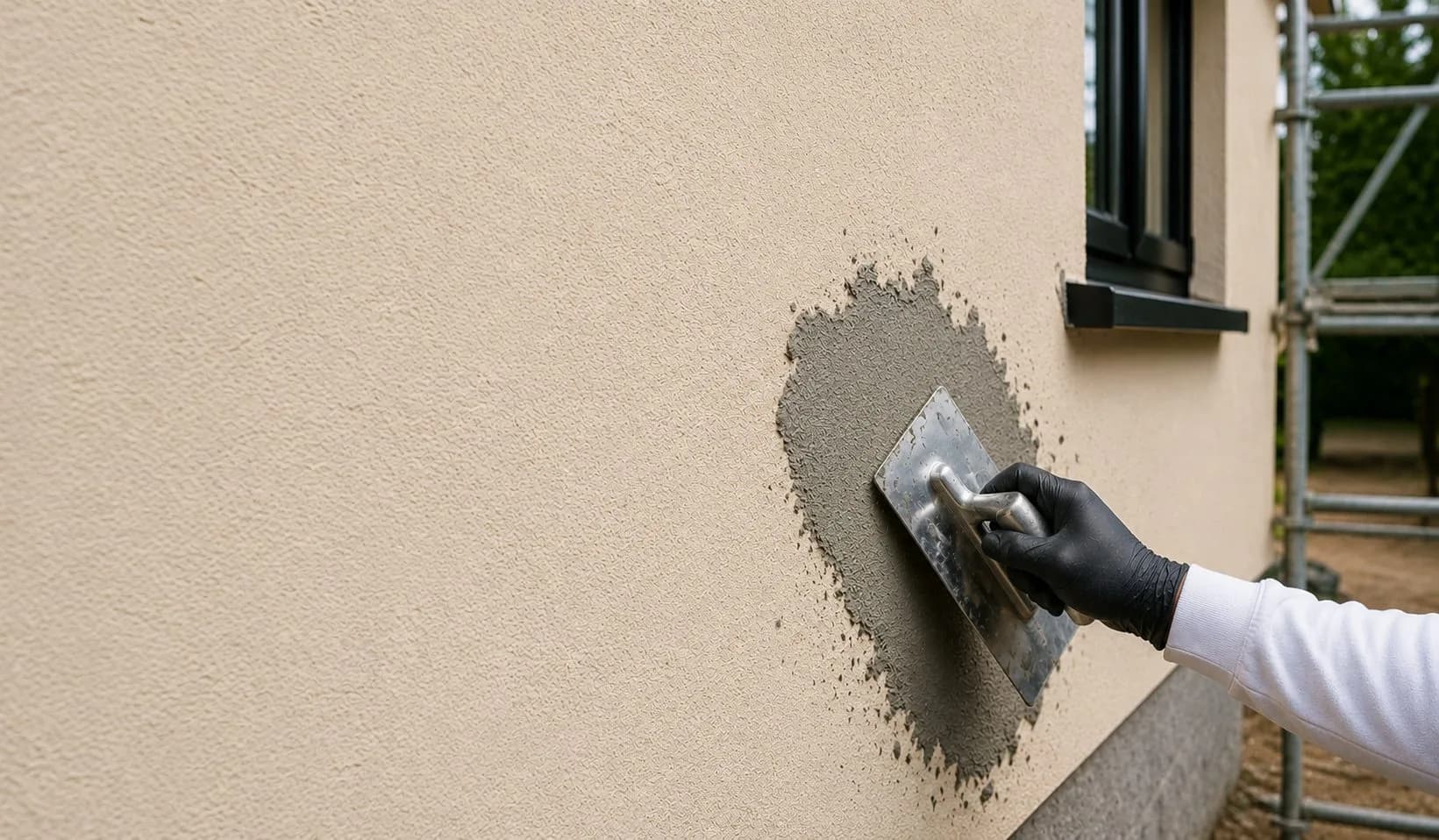
Skimming in Thorne
Skimming is a thin finish coat of plaster — typically 2–3mm — applied over an existing surface to produce a smooth, even base for decoration.
- Free Survey & QuoteNo obligation — confirmed within one working day
- 17+ Years ExperienceTrusted across Yorkshire since 2009
- Fully InsuredPublic liability & workmanship cover on every job
- Manufacturer AccreditedApproved installer — warranty-valid on every system
Skimming — what you need to know
Skimming is a thin finish coat of plaster — typically 2–3mm — applied over an existing surface to produce a smooth, even base for decoration. It is the right approach where existing plaster is sound and well adhered but rough, textured or previously coated (such as Artex or painted Artex), and a flat finish is needed without the disruption of a full replaster. Skimming is faster and less expensive than full replastering and produces the same quality of finish when the substrate underneath is genuinely sound.
Georgian and Victorian properties in Thorne town centre have demand for plastering — original plaster substrates in older buildings require careful repair or replacement during renovation, with lime-compatible materials appropriate for the older stock.
Free · No Obligation
Get a quote for Skimming in Thorne
We visit your property, assess the work and give you a fixed written quote. No call centres, no pressure, no hidden charges.
Request Free SurveyOr call +447774708801Common situations we resolve
Rural property rooms where original plaster has been re-coated repeatedly and the surface build-up is uneven but the underlying plaster is still sound
Artex or textured ceilings that need a flat finish without full removal
Walls sound but slightly rough or uneven and cannot be decorated directly
Previously painted walls stripped to reveal a coarse plaster surface
New plasterboard surfaces that need a skim finish before decoration
Property considerations in Thorne
Thorne is a market town north of Doncaster on the edge of the South Yorkshire levels, an area of former fenland between the Don and Aire rivers. The housing stock includes Georgian and Victorian properties in the town centre and on the older residential streets, interwar and post-war development, and modern estates on the periphery. Thorne Moors, a nationally important raised mire, lies immediately to the west. The town's flat, open position means exposed properties face significant wind loading.
Thorne's flat South Yorkshire levels position means high exposure to westerly and north-westerly winds — properties on exposed elevations in this low-lying, open landscape face significant wind-driven rain loading relevant to render system choice.
Thorne & surrounding areas
Our approach
Surface assessment
We check whether the existing plaster or substrate is sound and suitable for skimming — if there are hollow sections, active damp or poorly adhered areas, these must be resolved before skimming, or the skim coat will fail over them. Artex surfaces are assessed for adhesion and whether a bonding coat is needed first.
Preparation
The surface is cleaned and PVA adhesion primer is applied to control suction and ensure the skim coat bonds correctly. Any protruding fixings are countersunk. Edges and reveals are checked for straightness.
Skim coat application
A thin finish coat of plaster is applied in two passes — a scratch pass to fill the surface and a trowelling pass to bring the surface to a flat, smooth finish. Corners and reveals are checked with a straight edge during application.
Finishing
The skimmed surface is trowelled back to a smooth, consistent finish and left to dry. Once dry, the surface is ready for a mist coat and decoration — drying time depends on the skim thickness, ventilation and ambient conditions.
What determines the cost
We provide fixed written quotes — what you are quoted is what you pay. The factors below determine where your project sits within the range for this type of work.
- Surface area to be skimmed — walls and ceilings measured in square metres
- Surface condition — Artex or heavily textured surfaces require a bonding coat and additional preparation time
- Whether hollow sections need cutting out before skimming can proceed
- Ceiling height and access requirements
- Number of rooms or areas involved and the sequencing of the work
The most accurate way to understand the cost for your specific property is a free on-site survey. We assess the substrate, take measurements and provide a full itemised written quote.
Why homeowners in Thorne choose us
- One team throughout — no subcontractingThe same experienced team that surveys your property carries out the work and completes the final inspection — clear accountability from first visit to handover.
- Free survey, no obligationWe visit your property, assess the substrate, take measurements and provide a written quote with an honest recommendation. No pressure to proceed.
- Specialists — rendering and plastering is all we doOur specialism means better system knowledge, more careful application, and finishes that perform as the manufacturer intended.
Related services in Thorne
Skimming in nearby areas
Common questions
Is skimming better than full replastering?
Skimming is the right choice when the existing plaster is sound — it is faster, less disruptive and less expensive. Full replastering is needed when the existing plaster is hollow, damp-damaged or otherwise failing. We assess this during the survey and recommend whichever approach is genuinely right for the surface.
Can Artex be skimmed over?
Artex can be skimmed if it is well adhered, relatively flat and in sound condition. A bonding coat is applied first to control suction. Heavily textured or spiked Artex is harder to skim successfully — the pattern may show through in raking light. We advise on whether skimming or removal is the more appropriate approach for the specific surface during the survey.
Can lime plaster walls in a period property be skimmed?
Yes — lime plaster in sound condition can be skimmed with a compatible lime finishing coat. Using a modern gypsum skim directly over old lime plaster is not recommended in most cases: the different movement characteristics can cause the skim to crack. We use a lime-compatible finishing mix where the existing substrate is lime-based.
Do you need to move furniture before skimming?
For ceiling skimming, furniture should be moved out or to the centre and covered. For wall skimming, sockets and switches need to be loosened to allow the skim to run behind the faceplate for a clean finish. We advise on exactly what needs moving before the job starts.

Ready to transform your property?
Get a free, no-obligation quote from Yorkshire's premium rendering and insulation specialists. We typically reply within one working day.