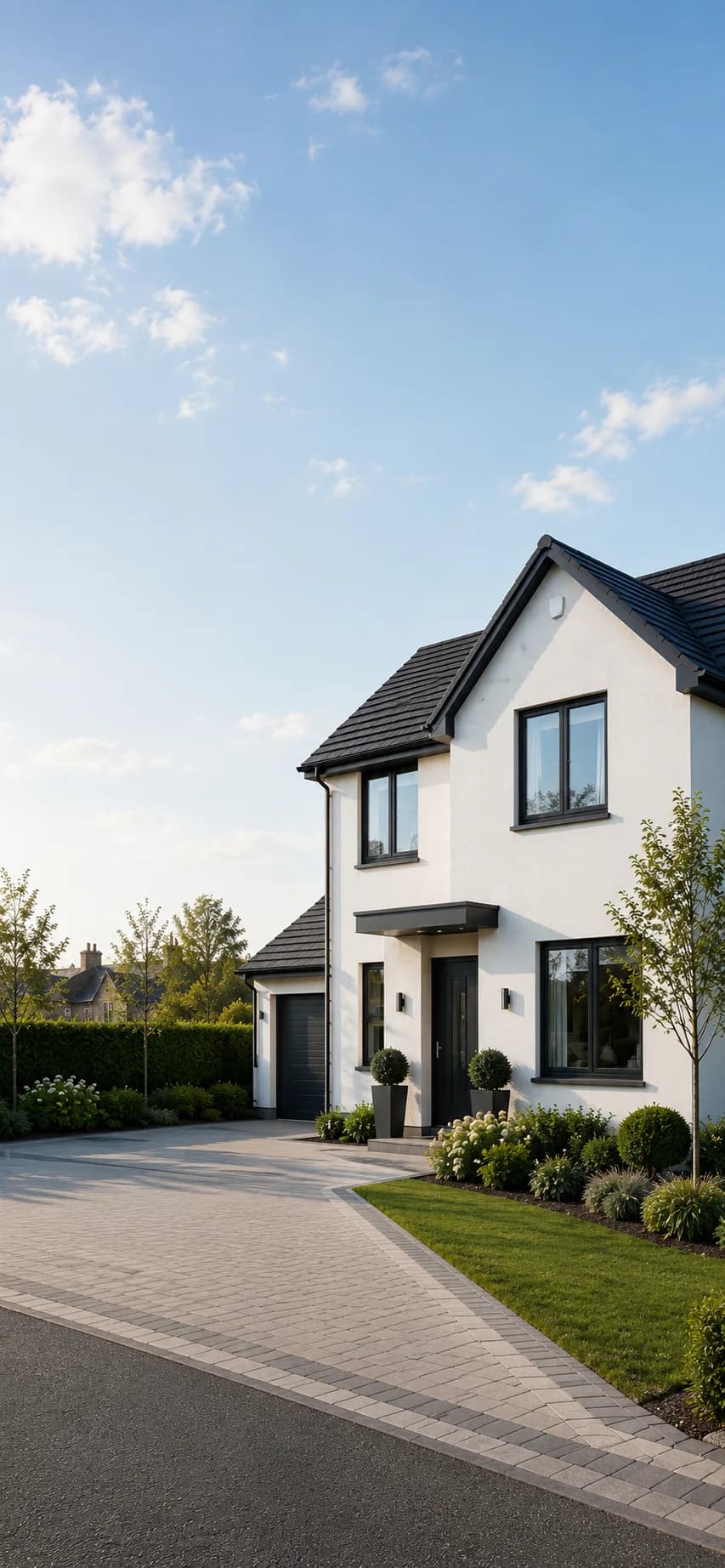
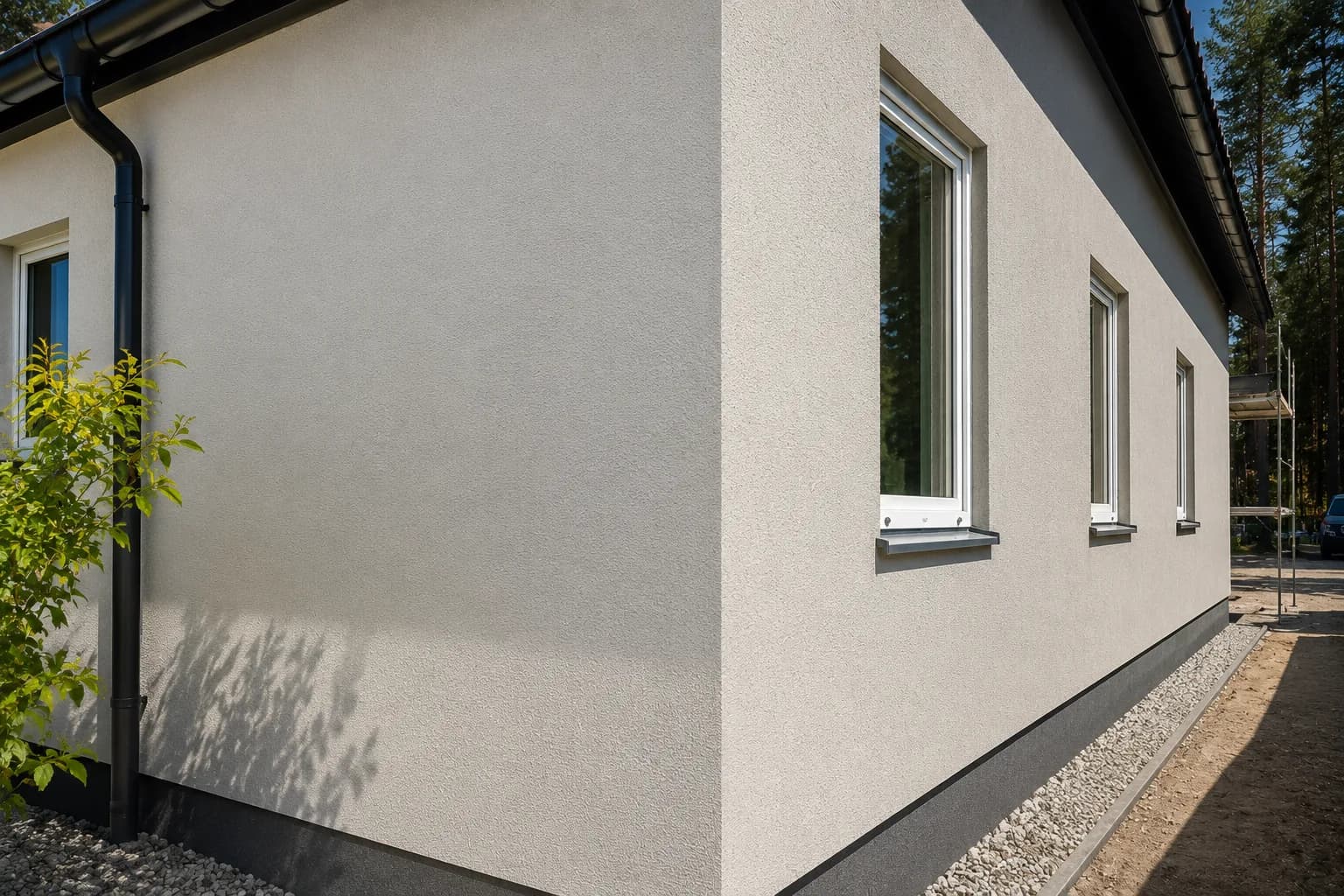
The manufacturer-backed system warranty for most premium silicone render systems is up to 25 years when installed by an approved contractor. In practice, silicone render that is correctly specified, installed in appropriate conditions and maintained can last considerably longer. This guide explains what the warranty figure means in practice, what affects longevity, and what to look for as a system ages.
Warranty period versus actual system life
Manufacturer warranties for silicone render systems typically run to 25 years for approved installer installations. This is a guarantee that the system will perform to specification for that period, subject to the conditions of the warranty — which almost always include approved installer status, correct product sequence and no unauthorised modifications.
The actual lifespan of a silicone render system can extend considerably beyond the warranty period. The silicone polymer in the binder is highly resistant to UV degradation, the primary mechanism by which exterior finishes degrade over time. Systems installed in the 1990s, when silicone render became widely available in the UK, are still performing in many cases, suggesting practical lifespans well in excess of 25 years are achievable.
The warranty period is not the same as the expected lifespan — it is the minimum performance guarantee from the manufacturer.
What determines how long a system lasts
Three factors have a substantially greater effect on longevity than the render system specification itself:
- Substrate preparation. A render system applied to an inadequately prepared substrate will fail early regardless of material quality. The most common causes of premature render failure are: contamination of the substrate (dust, oil, algae), inadequate priming, failure to address existing cracks or loose sections before applying new render, and applying over a surface that is not structurally stable. This is why reputable contractors spend significant time on preparation before any render is applied.
- Application conditions. Silicone render must be applied within manufacturer-specified temperature and humidity ranges — typically between 5°C and 30°C, in dry conditions, not in direct strong sunlight. Render applied in frost, heavy rain or extreme heat cures incorrectly and will have a shorter functional life. This is not a minor variable; it is one of the main reasons experienced contractors decline to work in unsuitable conditions even under customer pressure.
- System integrity. Silicone render systems are designed to be installed as complete systems — primer, base coat, reinforcing mesh and finish coat from the same manufacturer. Mixing products from different manufacturers, or omitting a specified stage to save time or cost, invalidates the warranty and reduces system performance.
What aging silicone render looks like
Silicone render ages differently from painted renders and traditional sand-cement. Because it is through-coloured, it does not peel or flake in the way a painted surface does. The most common signs of an aging silicone system are:
- Gradual colour fade. The colour will gradually lighten over time as UV exposure continues. This happens evenly across the surface and is not the same as patchy fading caused by a failing coating — it progresses slowly and predictably.
- Algae or moss growth. The hydrophobic properties of the surface slow organic growth, but over time some algae and moss can establish on north-facing elevations or in sheltered areas where the surface stays moist longer — particularly on properties in wetter west-facing positions or coastal locations like Scarborough. This can be removed with appropriate biocidal treatments and does not necessarily indicate system failure.
- Cracking. Hairline cracking that develops in silicone render is most commonly caused by movement in the substrate rather than failure of the render system itself. It warrants investigation — our render repair vs re-render guide covers how to assess whether repairs or a full new system is appropriate.
Maintenance over the system life
Silicone render requires less maintenance than painted alternatives, but not none. Simple periodic maintenance extends the system life and keeps the appearance good:
- Washing. An annual or biannual wash with a garden hose or low-pressure washer removes surface dirt and reduces the rate of algae establishment on shaded surfaces. Avoid high-pressure washing which can damage the render texture.
- Biocide treatment. If algae or moss begins to establish, an appropriate exterior biocide treatment can remove it and provide a period of protection. This is a maintenance task, not a sign of failure.
- Seal any cracks promptly. Small cracks investigated and sealed early cost a fraction of the remediation required if water is allowed to penetrate for years.